World
Promising Results from Moderna and Merck's Cancer Vaccine
Moderna and Merck announced favorable outcomes in clinical trials of a melanoma vaccine, significantly impacting their stocks.

Moderna and Merck, also known as MSD, announced on Wednesday (19) promising results from their experimental skin cancer vaccine, aimed at patients with advanced melanoma. The results pertain to the final phase of clinical trials and indicate that the messenger RNA treatment had a positive impact on patients' survival without disease recurrence.
According to information from CNBC, the combination of the vaccine with the drug Keytruda resulted in a significant extension of the time patients lived without a return of melanoma, compared to using Keytruda alone. The preliminary results were sufficient to lead to a considerable appreciation of Moderna's shares, which rose 90% following the data announcement.
In the statement, the companies emphasized that the vaccine, called intismeran autogene, is designed to personalize the treatment of existing tumors, differing from traditional vaccines aimed at preventing infectious diseases.
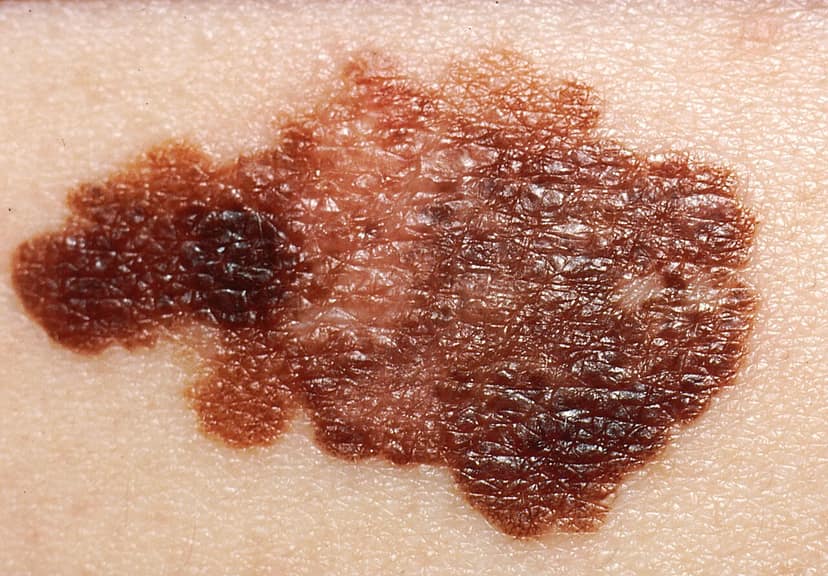

The study, first disclosed by Moderna, is seen as a significant contribution to melanoma treatment, an aggressive form of skin cancer. While the results are favorable, details regarding long-term efficacy and other considerations have yet to be fully disclosed.
In addition to the rise in Moderna's shares, the success of the clinical trial represents a step forward in the development of personalized therapies for cancer, a field that has been growing in importance in oncological research. Merck and Moderna have been working together to bring innovations in this area.
The vaccine's potential and the next steps will be closely monitored by both investors and healthcare professionals, as the companies continue to develop and refine their approaches to cancer treatment. More results and detailed information are expected to be shared as the study progresses.