Politics
Trump makes new attempt to restrict U.S. birthright citizenship
U.S. President Trump is once again trying to limit the birthright to citizenship after previously failing in court.


Donald Trump has signed a new decree to restrict the automatic granting of U.S. citizenship for those born in the United States. This practice, known as birthright citizenship, has so far automatically granted citizenship to every child born in the U.S. Trump had previously attempted to abolish this regulation without success.
According to reports, Trump failed in his earlier attempt because the courts rejected his plans. The president is particularly targeting what is referred to as birth tourism, where parents from abroad travel to the U.S. to give birth to secure citizenship for their children.
The previously established regulation, which guaranteed citizenship for children born in the U.S., was considered legally secure. Nevertheless, Trump has seized every opportunity to challenge this practice, ultimately bringing him to court where he was dismissed.
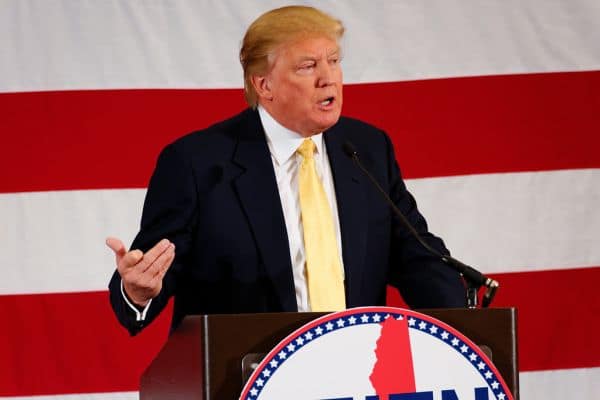
With his new decree, Trump aims to undermine the legal foundations of this practice, which could potentially lead to new court disputes. The focus of his initiative is on mitigating perceived abuses of citizenship rights.
The debate over birthright citizenship has sparked political controversies in the U.S., prompting both intra-party dissent within the Republican Party and bipartisan opposition to Trump's initiatives. The perspective that birthright citizenship represents an important and inalienable aspect of citizenship remains prevalent in political discussions.
An example of the intensification of the issue is the resistance from legal experts and civil rights organizations, who question the effects of such restrictive measures on children and families. In the future, Trump may have to face not only legal battles but also political opposition stemming from his recent efforts.