World
14 Charged in Alleged Cocaine Trafficking Ring at Penn State
Thirteen current and former Penn State students, along with one parent, face charges for running a cocaine trafficking operation centered around two fraternity houses.
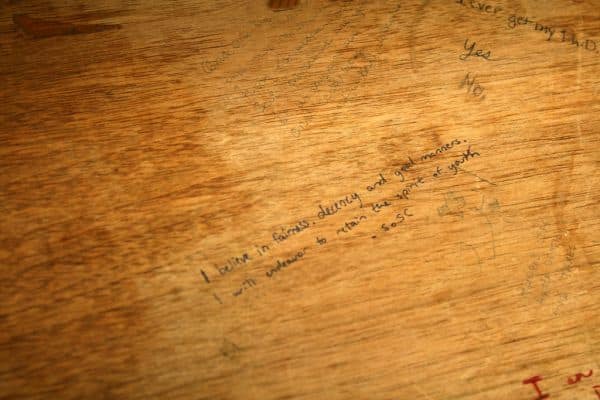
Fourteen individuals have been charged in connection with an alleged cocaine trafficking operation involving current and former students of Penn State University. According to the Pennsylvania attorney general, Dave Sunday, the operation primarily operated out of two off-campus fraternities. The accused include thirteen students and one student's father, who allegedly played a role in concealing evidence related to the drug activities.
Reports indicate that cocaine was cut and packaged at the fraternity houses, Delta Upsilon and Sigma Chi. The operation reportedly involved current students and was organized largely by members of these fraternities. Prosecutors allege that some pledges participated in packaging the drugs, further implicating the fraternity system in the alleged trafficking.
The charges were announced on Monday, with the attorney general highlighting the significant role of college students in the alleged cocaine operation. Delta Upsilon has reportedly been placed on interim probation as a result of the allegations, heightening scrutiny on fraternity activities at the university.


In terms of evidence, it has been reported that the father of one of the accused students, Paul Robinson, is also facing charges. He is alleged to have taken specific steps to conceal evidence, including a safe that contained both drugs and cash. This development adds a further layer to the investigation and raises questions about parental involvement in the students' alleged activities.
The accusations have sparked considerable concern within the Penn State community, as it reflects on the broader issues related to drug use and fraternity culture in colleges. State officials have reported that the trafficking operation extended to distribution among peers on campus.
The situation gained additional attention when reports surfaced on social media, specifically TikTok, revealing details about the fraternity houses at the center of the drug bust shortly after the news broke. This incident highlights the intersection of social media and college drug culture in the context of ongoing investigations.