World
2026 Nobel Prize in Medicine awarded to optogenetics researchers
Karl Deisseroth, Peter Hegemann, and Georg Nagel were honored for their groundbreaking work in brain research, announced the Nobel Foundation in Stockholm.

The 2026 Nobel Prize in Medicine has been awarded to Karl Deisseroth, an American researcher, along with Germans Peter Hegemann and Georg Nagel. The announcement was made on Monday, October 5, by the Nobel Prize Foundation in Stockholm, Sweden.
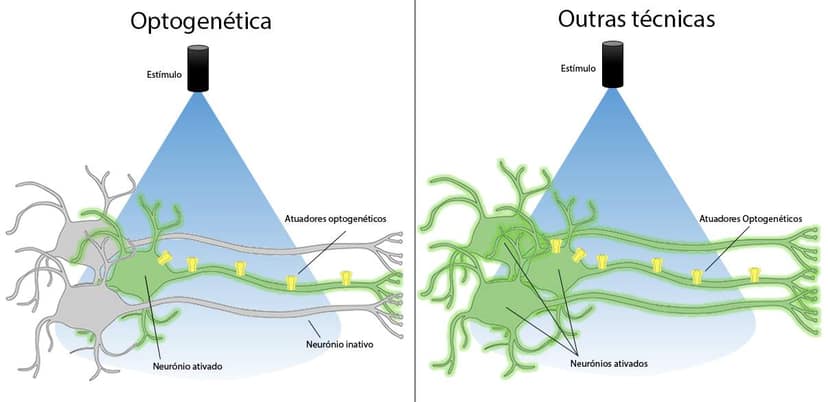
The three scientists were recognized for their discoveries in the field of optogenetics, a technique that combines light, genetics, and bioengineering. This approach allows researchers to study how specific neural circuits contribute to complex brain functions such as learning, fear, and behavior.
Karl Deisseroth, 54, is a psychiatrist and neuroscientist with over two decades of experience investigating brain function, particularly how nerve cells respond to light. Meanwhile, Peter Hegemann, 71, and Georg Nagel, 73, have also focused their research on how light can influence neural functions.
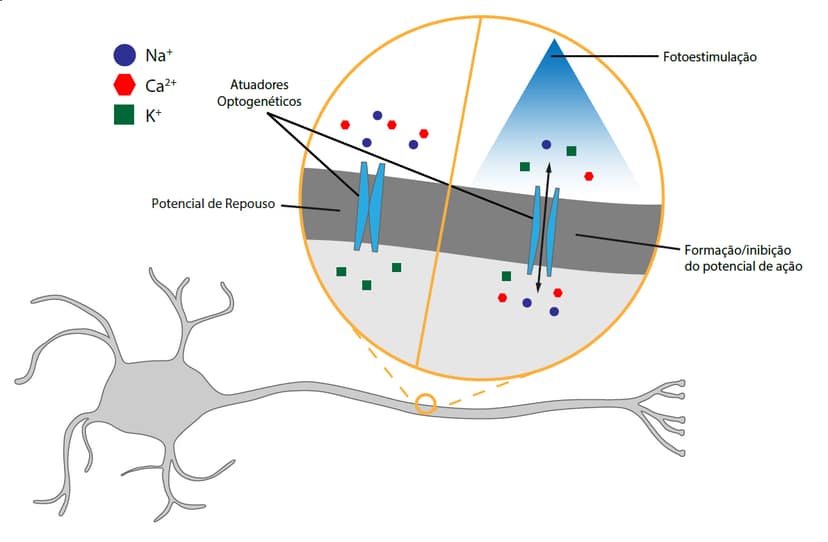

Their contributions have been deemed crucial for understanding neurological processes, such as movement and emotions, and optogenetics may have significant applications in researching diseases like Parkinson's and epilepsy, as noted in various reports.
The Karolinska Institutet, which is part of the Nobel Prize selection process, detailed that these researchers’ innovations represent a fundamental advancement in the study of the brain and the treatment of various psychological and psychiatric conditions.
This award opens new possibilities for exploring neuroscience and underscores the importance of interdisciplinary research involving fields like bioengineering and cellular biology. The recognition of these researchers highlights not only the relevance of their discoveries but also the potential impact they have on the future of medicine.