Panorama
Alpine glaciers lose 39 percent of their area since 2000
Glaciers in the Alps continue to melt rapidly. Experts warn of dramatic developments and expect significant changes by 2050.
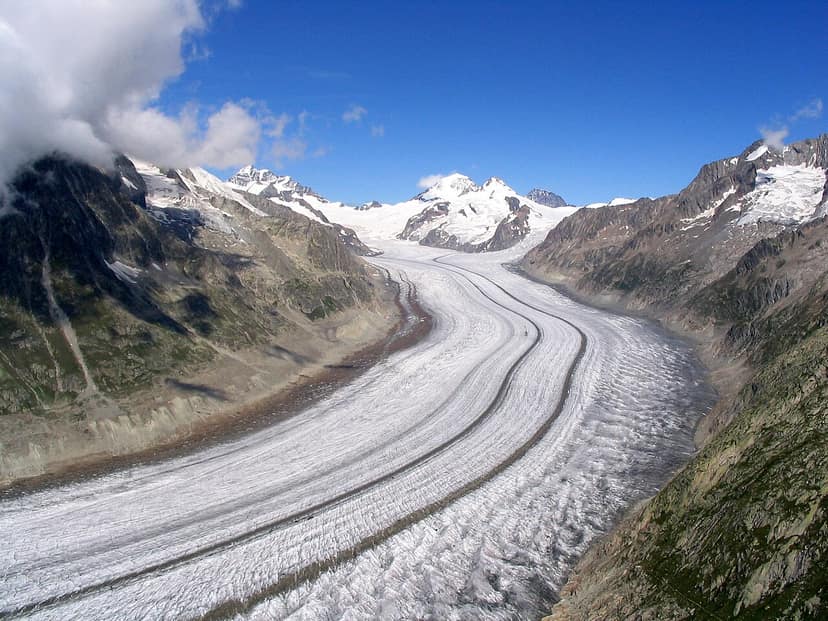

Glaciers in the Alps have been rapidly losing ice since the year 2000, with their area shrinking by 39 percent. This alarming trend has been confirmed by various experts who have observed the changes over the past decades.
Italian experts warn that the current changes represent one of the most dramatic events in the history of glacier research. Observations show that the glaciers are not as stable as they may appear. According to Vanda Bonardo, the alpine officer of the Italian environmental organization Legambiente, glaciers often seem still and motionless, but are actually heavily affected.
Reports indicate that by 2050, all Alpine glaciers below 3,500 meters could disappear. This reality has led to intensified discussions about the impact of climate change on glacial regions.

In addition to the loss of area, the figures show a concerning change in mass. Globally, an average of 273 billion tons of ice have been lost per year since 2000, underscoring the global dimension of glacier melting.
Experts emphasize that the speed of the melting process in the Alps is significantly increasing, which could have both ecological and societal impacts. The precise monitoring and analysis of these developments remain a crucial focus of research.
In light of current trends, environmentalists and scientists are calling for urgent action. Their warnings and analyses continue to be picked up by international media to raise awareness about the challenges facing the affected regions.