World
Brazil lost 14% of its native vegetation cover in 41 years
A new analysis by MapBiomas reveals the decline of native vegetation and the increase of agriculture in Brazil.
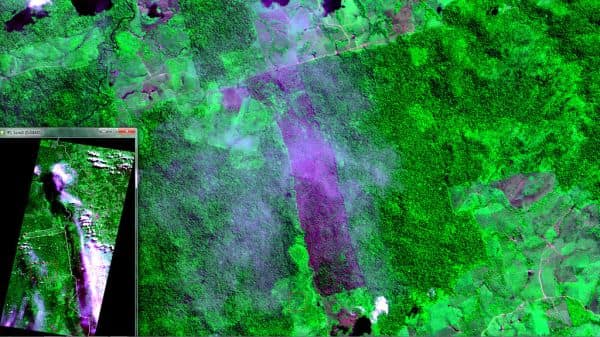
According to data from MapBiomas, Brazil has lost 14% of its native vegetation cover over the last 41 years, dropping from 79% of the territory in 1985 to 65% in 2025. This institution analyzes information on land cover and use in the country.
During the same period, the area dedicated to agriculture has grown significantly, increasing from 18% to 32% of the national territory. The data indicate that the conversion to agriculture has resulted in approximately 136 million hectares of native vegetation being transformed.
The regions most affected by the loss of native vegetation were the Amazon and the Cerrado, which exhibited the highest absolute losses in territory. This phenomenon has raised concerns about the environmental and social impacts associated with deforestation.
According to forecasts for 2025, it is expected that the deforestation rate will fall to less than one million hectares for the first time. This reduction is considered one of the goals in current environmental policies in Brazil.
Additionally, MapBiomas highlights the importance of continuously monitoring native vegetation cover to understand the impact of human activities on ecosystems.
The analysis from MapBiomas serves as a warning about changes in land use and their consequences for biodiversity and ecosystem services in Brazil.