Panorama
Chris Pappas becomes the first openly gay senator in the U.S.
Chris Pappas, a Democrat from New Hampshire, has won the election, marking a milestone as the nation’s first openly gay senator.
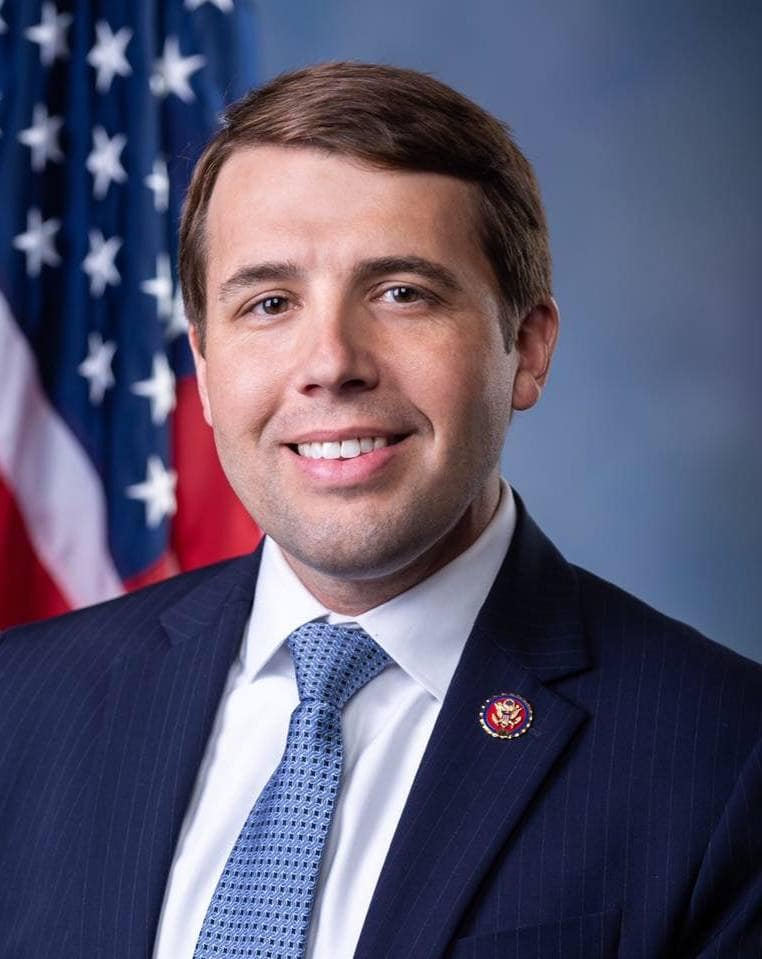

Democrat Chris Pappas has been elected senator from New Hampshire, becoming the first openly gay man to hold a seat in the United States Senate. His victory comes after defeating former Republican senator John Sununu, thereby maintaining the seat for his party.
Pappas, who has served in the House of Representatives since 2019, takes over from Senator Jeanne Shaheen, who announced her retirement after 18 years in the Senate. During his campaign, Pappas emphasized the need to protect the rights of the LGBTQ+ community and other relevant social issues.
According to reports, 46-year-old Pappas has run a campaign focused not only on LGBTQ+ rights but also on health policies, support for small businesses, and lowering drug costs. This election represents a significant advancement for the representation of minorities in the U.S. government.


The victory has been met with great enthusiasm within the LGBTQ+ community, as Pappas not only represents a shift in New Hampshire's state politics but also a historic milestone at the national level. His election is seen as a sign of the growing acceptance of diversity in American politics.
According to various sources, Pappas's victory maintains Democratic control over the New Hampshire seat while establishing a new precedent in Congress. Pappas has acknowledged the importance of his election in his speeches, highlighting the representation of communities that have historically been underrepresented in the Senate.
Pappas's election also falls within a series of victories for Democrats in the 2026 midterm elections, where several candidates of diverse gender identities and backgrounds have secured key seats, reflecting a shift in the composition of political leadership in the U.S.