World
Cyberattacks Hit Supermarkets Across Europe: Refrigerator Temperatures Exceed 50°C
Multiple supermarket chains in Belgium, Sweden, Luxembourg, and other European countries have been hit by cyberattacks that disrupted refrigeration systems, leading to significant food losses.
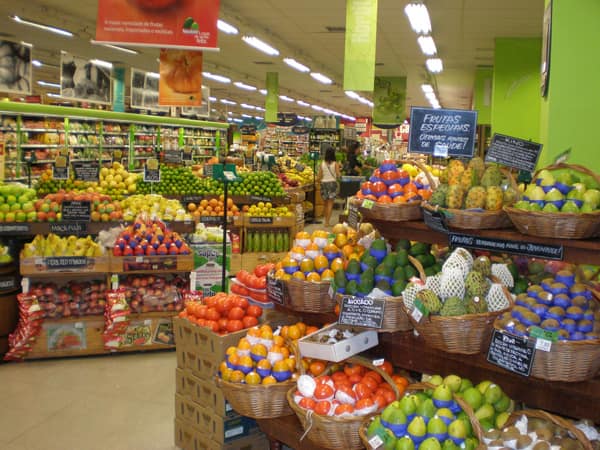

A cyberattack has targeted several supermarkets in Belgium, Luxembourg, Sweden, Estonia, and Finland, causing a rise in temperatures in refrigerators and freezers. The temperatures have exceeded 50°C in refrigeration units, resulting in the spoilage of tons of food.
Belgian supermarket chains Delhaize and Carrefour have confirmed the damage, with a Delhaize spokesperson specifying that 'dozens of stores' were affected across several regions. Carrefour indicated that twenty of its locations experienced attacks this morning.
Initial reports suggest that cybercriminals remotely took control of refrigeration systems, similar to an attack that occurred in France just three weeks prior, where hundreds of stores were impacted.
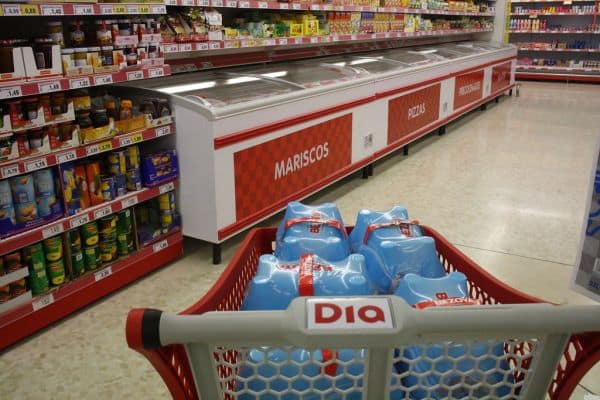
Belgian authorities, including the federal prosecutor's office, have launched an investigation into the attacks, estimating damages to be in the tens of thousands of euros. Supermarkets in Italy have also been involved, with attacks reported in Sicily and other regions, prompting the government to convene an emergency meeting.
The impact of these attacks is not limited to a single nation; several supermarkets in Sweden have also confirmed similar issues, contributing to a climate of uncertainty across Europe. European Union officials describe the situation as an attempt to destabilize food supply chains and public trust.
In response, Italy's Cybersecurity Agency and other industry associations have mobilized to address the issue, advising the removal of risk exposures and the updating of security systems.