Domestic
Debate on Antisemitism Following Left's Election Victory in Berlin
After the Left's election victory in Berlin, discussions about allegations of antisemitism continue, which the party has denied.
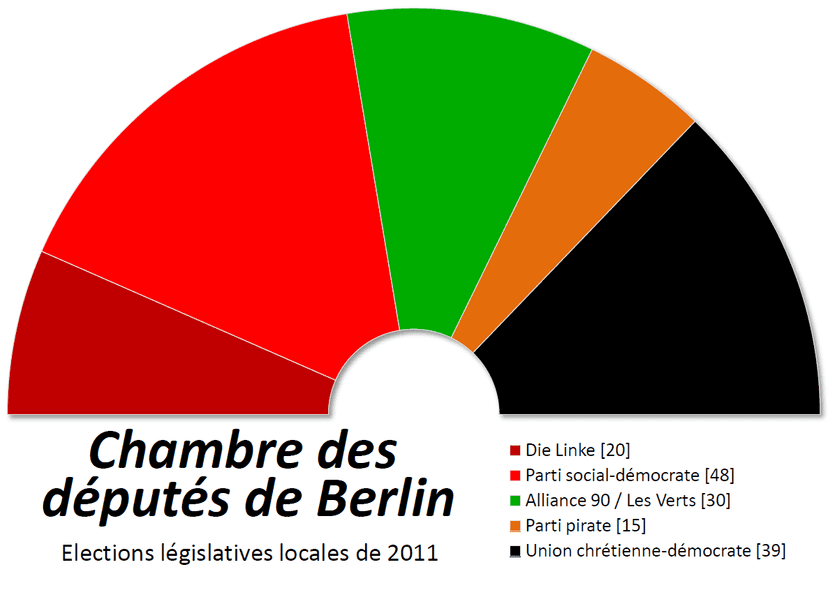

The Left secured a decisive victory in the Berlin state election. However, the party now faces ongoing allegations of antisemitism. Amira Mohamed Ali, the parliamentary leader in the Bundestag, vehemently rejected these charges, emphasizing that there is a clear stance from her party on this issue. She referred to a 'red line,' stating that anyone who crosses it has no place in the Left.
The debate about antisemitism within the Left has intensified following the election. The SPD's leading candidate and the party's federal chair have demanded consequences, stressing that a coalition with the Left is only possible if it clearly distances itself from antisemitic statements. This comes at a time when the Left is negotiating with the Greens and the SPD over potential government formation.
The Left faces not only internal but also external challenges. Prior to the election, several voices expressed concern about the climate within the party regarding antisemitism. The SPD leadership made it clear that there is no place for antisemitism in their politics, which could pose a significant obstacle for the Left on its path to forming a government coalition.


Scholars, including historian Schülerin-Springorum, have described the ongoing debate as exaggerated. She warned against a one-sided instrumentalization of the issue, which could complicate discussions about antisemitism within the Left further. Such statements contrast with calls for concrete measures against antisemitic tendencies within the party.
The confrontation over the allegations could complicate efforts to form a government. While the Left strives to allay concerns and articulate clear positions, the climate in political discussions remains tense. The coming period could be critical for the Left's future role in Berlin politics.
Overall, the Left faces the challenge of not only securing its voter base but also not jeopardizing the trust of potential coalition partners. Thus, the debate over antisemitism will remain a central theme in the negotiations for government formation in the upcoming weeks.