Finance
Euribor at 12 Months Exceeds 3%, the Highest Level in Two Years
Euribor rates have risen again, hitting 3% at 12 months for the first time since 2024, affecting mortgage payments.

Euribor rates, used as the benchmark for calculating mortgage payments, have surpassed the 3% mark for 12 months, a level not seen since September 2024. This increase marks a new rise in the main reference index for variable-rate mortgages across various parts of Europe, including Spain and Portugal.
On Friday, Euribor rates recorded a value of 3% or higher, reflecting a trend of rising rates at three, six, and twelve months. The six-month rate was reported at 2.765%. The increase in rates has been continuous over the past few months, impacting both home purchase loans and business financing.
The rise in Euribor rates is attributed to expectations of a new interest rate hike by the European Central Bank (ECB). The monthly average of the 12-month Euribor stands at 2.939% so far, indicating that many loans adjusting to this rate could see an increase in their annual payments of up to €1,600.
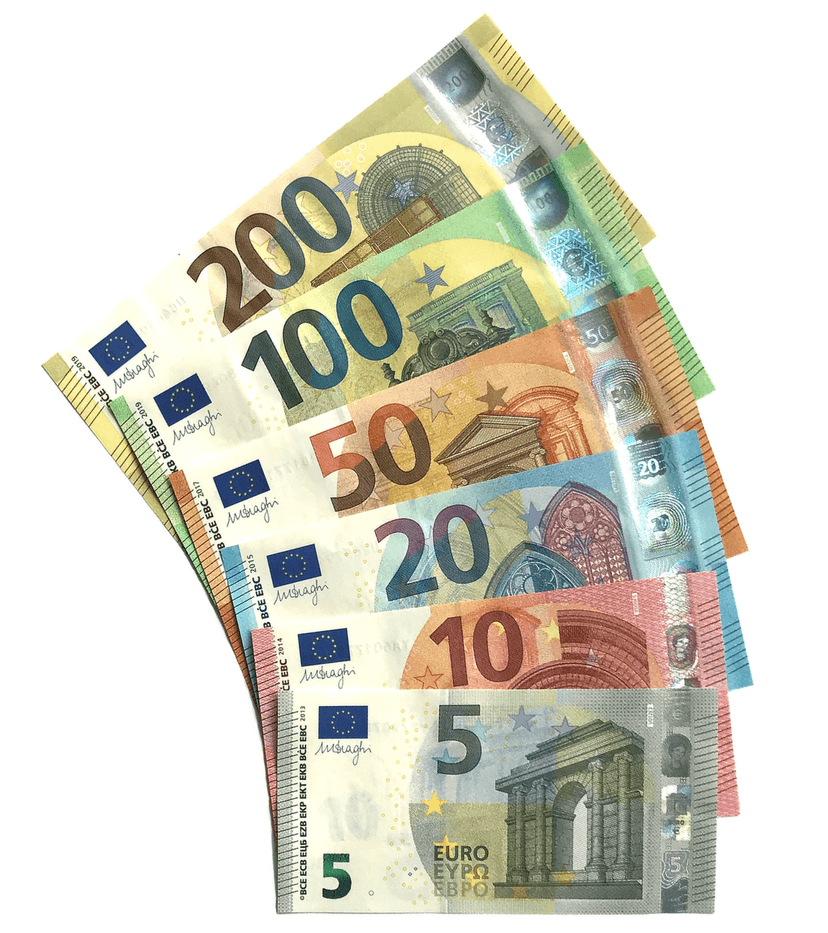

Financial sources indicate that the increase in Euribor could have a significant impact on the financial responsibilities of many families, as a higher monthly burden may worsen the situation for debtors. This situation is generating concerns among borrowers, given the current context of rising living costs.
As reported by various sources, the expectation of further interest rate hikes by the ECB is increasingly pressuring rates, which are approaching the peak levels seen recently. This dynamic in interest rates may lead banks to revise loan conditions, further increasing rates for consumers.
The fluctuations in Euribor rates reflect not only the monetary policy of the ECB but also greater economic uncertainty, which affects the confidence of investors and borrowers throughout the region. This scenario demands close monitoring of rate developments, especially as ECB policies become more stringent.