World
Federal Judge Extends Block on Mail-In Voting Restrictions Ahead of Midterms
A federal judge has extended her order blocking new mail-in ballot requirements implemented by the U.S. Postal Service as states prepare for November elections.
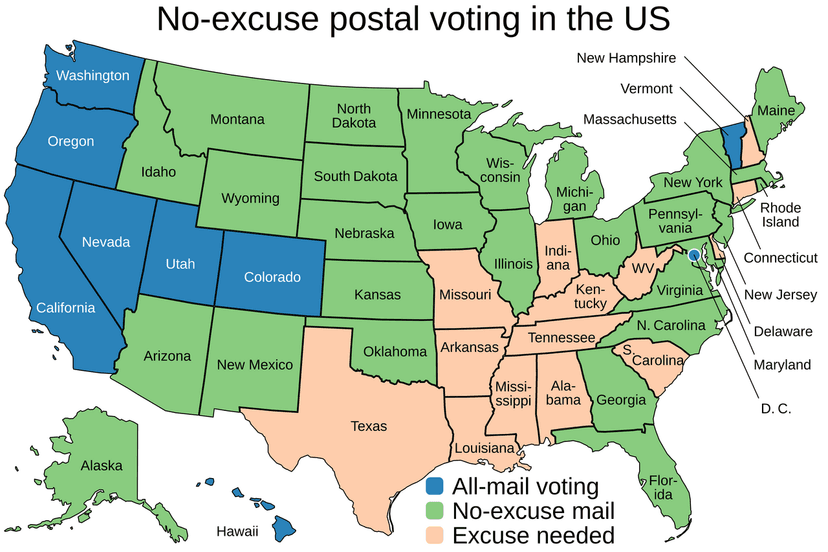

A federal judge has reaffirmed her decision to block new mail-in ballot requirements from the U.S. Postal Service, originally set forth under an executive order from former President Donald Trump. This ruling comes at a critical time as states are preparing to send mail ballots to voters for the upcoming midterm elections in November.
According to CBS News, Judge Indira Talwani's recent ruling extends the initial temporary order that prohibited the implementation of these new requirements. This extension is framed within the ongoing legal battle regarding mail voting practices in the United States, indicating potential complications for the Postal Service's operations during an election year.
The legal action opposing the Trump-backed postal reforms challenges the authority of the U.S. Postal Service over the electoral process. The judge's ruling represents a significant legal hurdle for efforts seeking to impose restrictions on mail-in voting, which has become increasingly relevant in the current electoral landscape.

The implications of this ruling are especially significant as mail ballots are one of the primary means through which voters can participate in the elections, given the continuing public health concerns and the necessity for accessible voting options. As noted by The Guardian, the legal back-and-forth over these regulations has escalated with the proximity of election day, making it a contentious issue in the courts.
Several news outlets, including Clarín and El Comercio, confirm that the judge's decision is a temporary preliminary measure. This suggests that the legal challenges surrounding mail-in voting will persist as the election date approaches, highlighting the contentious atmosphere surrounding voting rights and election integrity in the U.S.
The ongoing litigation will be closely watched, particularly as it influences the logistical aspects of mail voting at a time when many states have started to make preparations to distribute mail ballots to their electorate for the midterms. The situation remains fluid, and the outcomes of such legal battles could shape voting procedures in the near future.