World
Hyundai Motor reaches wage agreement with union, avoiding further strikes
After several partial strikes, the Hyundai Motor union announced a wage agreement that includes salary increases and performance bonuses.
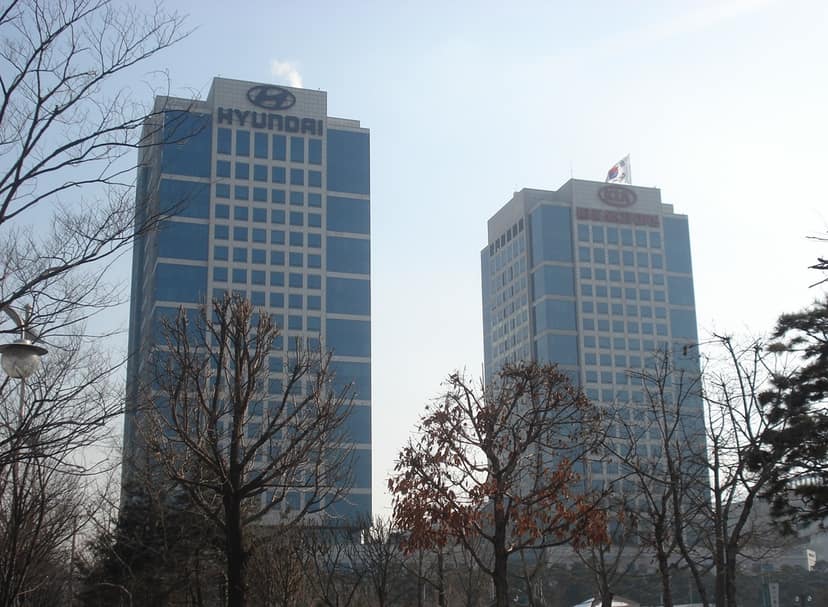

The Hyundai Motor union, South Korea's largest automobile manufacturer, announced that it has reached a wage agreement with the company's management. This announcement, following several partial strikes, is an attempt to resolve salary disputes that have arisen over the past weeks. According to reports, the agreement includes a monthly salary increase of $72.31 and a performance bonus of 400%.
Last Friday, around 40,000 Hyundai Motor employees participated in a strike that halted the company's operations for one day. This strike was the first of its kind in ten years and came after a deadlock in salary negotiations between management and the union.
The agreement reached is seen as a way to prevent new strikes in the future, allowing both parties to reach an understanding on working conditions and compensation. This type of resolution is crucial for maintaining the continuity of the company's operations, which is facing significant pressure from various market factors.
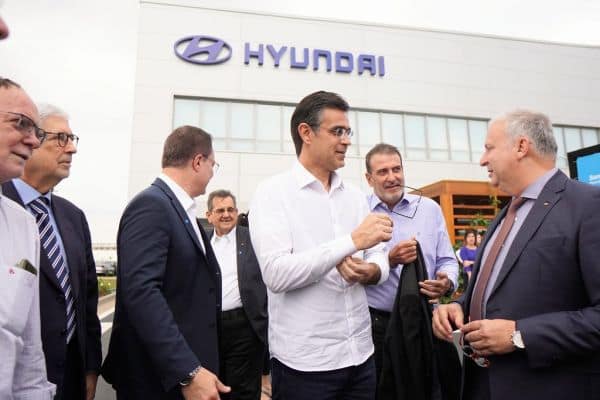
Hyundai Motor stated that the agreement will benefit its workers and help stabilize the company’s operations, which were already threatened by the paralysis caused by the strike. The union, for its part, highlighted that the reconciliation was a necessary step to ensure fair conditions for its members.
The details of the wage agreement have not yet been disclosed, but the news has been met with relief by many workers who feared that an extension of the strikes could negatively impact production and employment at the company.
This situation reflects the challenges faced by companies in balancing costs and workers' expectations, especially in a challenging economic environment. Stakeholders are now hoping that the implementation of the agreement will proceed smoothly, without further disruptions.