World
ICE agents to receive body cameras, release of footage unclear
The U.S. Immigration and Customs Enforcement (ICE) will equip all agents with body cameras, but the conditions for releasing footage remain unclear.
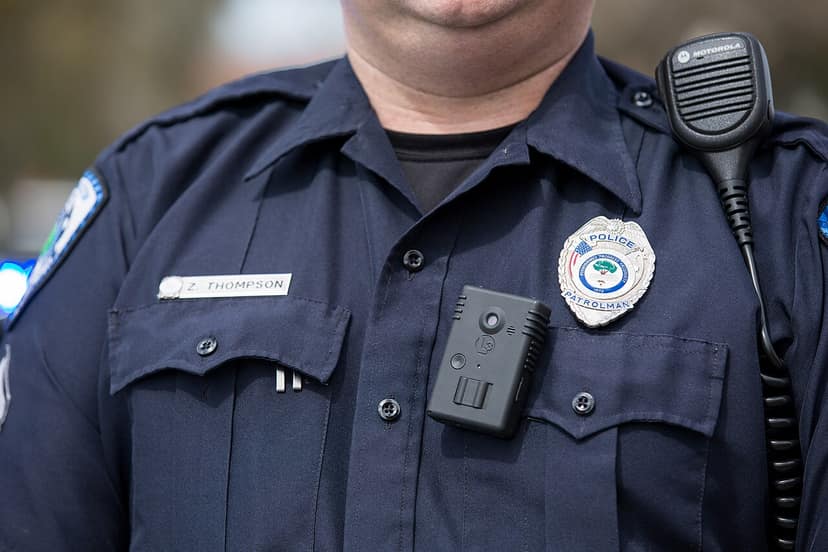

The U.S. Immigration and Customs Enforcement (ICE) will supply all agents with body cameras by the end of August at the latest. This was announced by David J. Venturella, the acting director of the agency, in a press release. The measure aims to document agent interactions and provide greater transparency during confrontations.
Despite the introduction of body cameras, questions arise regarding the release of footage to the public, specifically if and when these recordings will be made public. ICE has indicated that it retains significant discretion in determining when footage will or will not be released. This could lead to ambiguity about the accessibility of the footage for the public.
Additionally, ICE reports that it may withhold footage if its publication could jeopardize the privacy of individuals involved or ongoing investigations. This means that not all recorded footage will necessarily be made public, depending on the circumstances under which it was captured.

Venturella emphasized in his statement that the body cameras are intended to support agents in their work and enhance transparency. However, the exact conditions under which the recordings will be made available remain a topic of discussion.
According to the AP news agency, concerns have previously been raised about how and when such footage is released. As a result, the public may potentially miss important information regarding incidents involving ICE agents.
The implementation of body cameras is part of a broader trend among law enforcement agencies in the United States to utilize recording equipment to document interactions with the public.