Panorama
Iran: Revolutionary Guard Claims Control Over Strait of Hormuz
Iran's Revolutionary Guards assert control over the strategic waterway as debate over its significance intensifies in Tehran.


The Iranian Marine Corps of the Revolutionary Guards has firmly addressed the situation in the Strait of Hormuz. According to their statements, they possess full control over the waterway. This comes in response to claims from US officials stating that the strait is open to shipping traffic. The Revolutionary Guards dismissed this assertion as a "flat lie," claiming it serves only to control oil prices and to mask a supposed defeat of the US.
At the same time, an internal debate is emerging in Iran regarding the strategic importance of the Strait of Hormuz. The waterway is frequently described as a critical point for the country's security. The office of Iran's Supreme Leader recently referred to it as the "pillar of Iran's new security order." However, this assertion is increasingly accompanied by voices calling for an end to the conflict, as Gulf neighbor countries plan alternative pipelines to reduce their dependence on this waterway.
The plans of neighboring countries could diminish the strategic significance of the Strait of Hormuz and leave Iran in a vulnerable position. These concerns are part of the internal discussion that has intensified in light of the upcoming US economic sanctions. The repeated assertion of control over the waterway might be a response to this growing uncertainty.
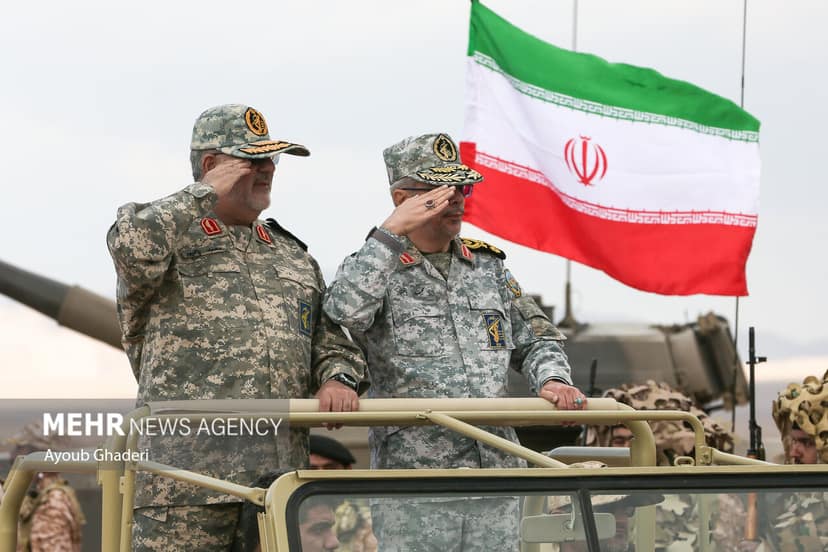

The Revolutionary Guards are particularly leveraging their position to reinforce their control and power. Through the communication channel Sepah News on Telegram, they shared their perspective, emphasizing that the US claims are unfounded. This dispute is a part of the broader geopolitical tensions in the region that continue to persist.
Iranian authorities are under pressure to adopt a clear stance on national security and economic stability. As alternative transport routes for oil and gas are sought by neighboring countries, the discussion within Iran regarding how to secure its strategic position in the long term is gaining significance. There are increasingly louder calls to end military conflicts and reconsider the economic direction.
Overall, a picture emerges of escalating internal and external challenges for Iran. While control over the Strait of Hormuz is publicly idealized, the question of the actual strategic significance and possibilities for maintaining this control remains a concern. The debate over the country's future role in the region is a central issue that both the leadership and the population must pay closer attention to.