World
Israel holds first legislative elections since October 7 attacks
Israelis vote on Tuesday in an election where incumbent Prime Minister Benjamin Netanyahu faces opposition led by centrist Gadi Eisenkot against the backdrop of tensions linked to the Gaza war.


Israelis are called to vote on Tuesday in the first legislative elections since the October 7, 2023 attacks. More than seven million voters are heading to the polls in a ballot that takes place amid profound political and social division. According to polls reported by sources, the left-wing bloc led by Gadi Eisenkot, a former military chief, is neck and neck with the right-wing coalition of outgoing Prime Minister Benjamin Netanyahu.
Participation in these elections carries exceptional significance. Halfway through voting, at noon, turnout stood at 44.9 percent, the highest recorded since 1973, according to Radio-Canada and franceninfo. Three hours after polls opened at 6 a.m., more than 1.2 million Israelis had already voted, the RTBF reports. This figure suggests a record turnout also compared to 1981.
The ballot is taking place amid controversy. Netanyahu's Likud party opposed travel assistance offered by an association to enable expatriate Israelis to return and vote, fearing according to Le Figaro that such measures would benefit the opposition. The same party also requested an extension of voting hours, the RTBF reports.
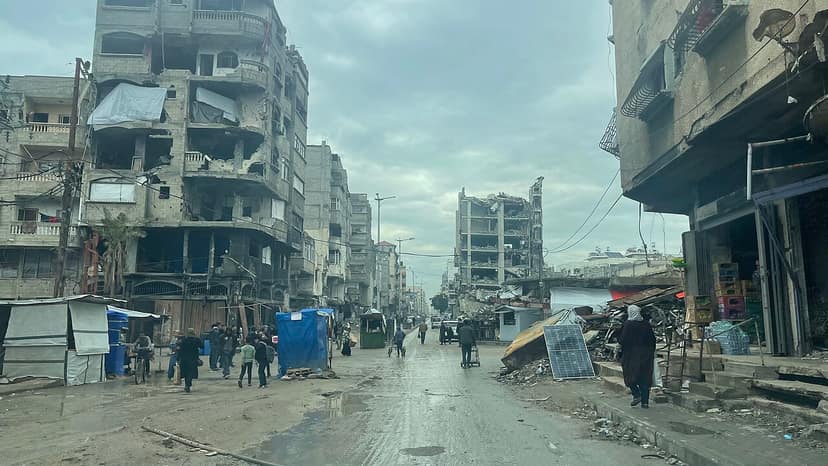

The elections come against a backdrop of mounting international criticism. According to Le Figaro and the RTBF, this criticism concerns the conduct of the Gaza war as well as violence and the expansion of settlements in occupied West Bank territory. Le Figaro also reports that Eisenkot's party accuses Netanyahu of preparing to contest the election results.
This vote has the character of a referendum on the country's direction and on the outgoing Prime Minister. Netanyahu, who according to the RTBF has set all records for longevity heading the government, has been in a difficult position since the October 7 attacks. The outcome of the ballot will determine whether the head of government succeeds in forming a new majority or whether the opposition bloc comes to power.