Business
Japan's foreign reserves see record drop in August following intervention
Japan's foreign reserves experienced their largest ever decline in August after an intervention to stabilize the yen, according to official data released.
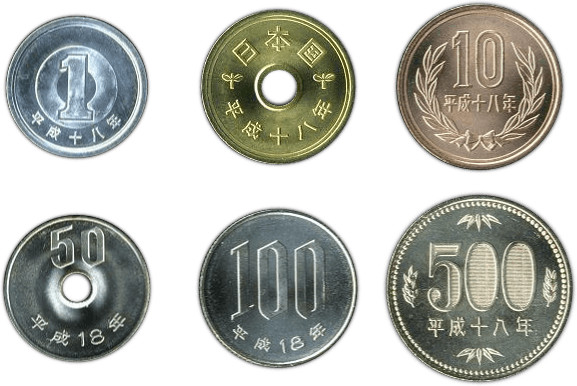

Japan's foreign reserves recorded their largest ever decline in August, according to official data released by the Ministry of Finance. Reserves fell from $1.287 trillion in July to $1.207 trillion, representing a decrease of $80 billion.
This drop marks the fourth consecutive monthly decline and is mainly attributed to the currency intervention carried out at the end of July, where Japan bought yen and sold dollars in an effort to stabilize the Japanese currency against the depreciation relative to the dollar.
The intervention occurred with the support of the United States, which will join Japan's measures to contain the yen's depreciation, which has significant repercussions for exports and the economy as a whole.
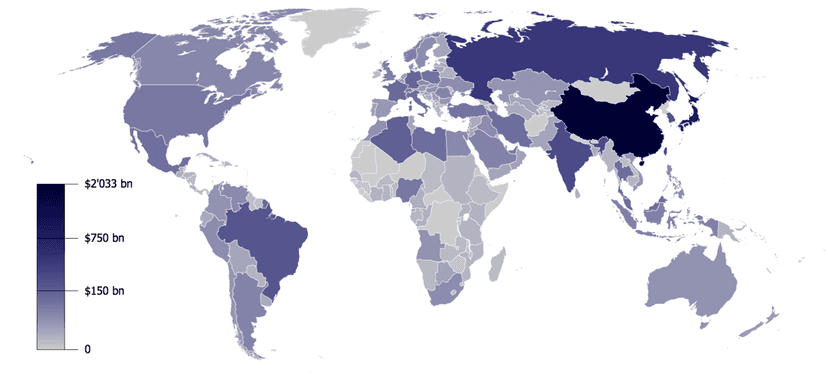

According to information from RTP, this crisis in foreign reserves is seen as a response to the additional pressure on the Japanese economy and the impact that currency instability may have on key sectors.
This situation is expected to be closely monitored, as the currency intervention may be linked to other strategies by the Japanese government to address market volatility.
The August decline is the largest since April 2000, underscoring the magnitude of this event and its potential implications for Japan's economic policy.