World
Landslide at Guinea landfill claims at least 30 lives
A landfill collapse in Conakry triggered by heavy rains has resulted in at least 30 fatalities and multiple injuries, according to various reports.


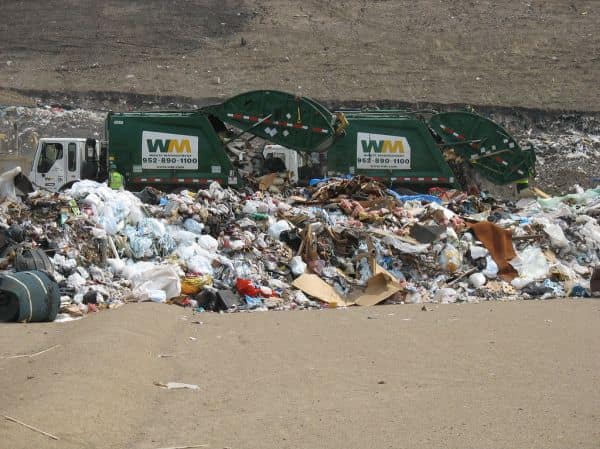
A landfill in the Dar es Salam neighborhood of Conakry, Guinea, collapsed early on Sunday, resulting in the deaths of at least 30 people, as reported by the country's civil protection service. The collapse was attributed to heavy seasonal rains that began around 3 a.m., which washed over the refuse and triggered a landslide that buried nearby shacks and homes.
Officials have indicated that the death toll could rise as rescue operations continue. Preliminary reports suggest that 22 additional individuals sustained injuries during the incident, with six of them classified as seriously injured. The search for survivors is ongoing, with rescuers scouring the area for any potential victims under the debris.
Local authority Lancine Sylla mentioned concerns that more casualties might be found as the situation is assessed. Eyewitnesses reported that the landslide was substantial enough to engulf not only smaller structures but also larger apartment buildings in the vicinity, complicating the rescue efforts.
The government has undertaken measures in response to this tragedy, including a warning that had previously been issued for the area due to the risk of a landfill collapse. However, the authorities' evacuation order was reportedly disregarded by some residents, increasing the threat during the rains.
Disaster response teams have been attempting to manage the situation, conducting searches for bodies and survivors amidst the wreckage. Reactions from the community highlight the urgency in addressing the aftermath of the landslide, with local leaders expressing their grief and concern for the affected families.
This incident marks one of the deadliest occurrences linked to landfill collapses in the region, with reports from various sources converging on the numbers and severity of the incident. It highlights broader issues of waste management and public safety in urban areas susceptible to heavy rainfall. The circumstances leading to this catastrophe are expected to prompt discussions on improving safety protocols for such vulnerable areas.