World
Lula wins fourth term as Brazil's president; Bolsonaro refuses to concede
Brazil's leftist leader Luiz Inácio Lula da Silva secured re-election in a runoff vote, but his opponent Flávio Bolsonaro rejected the results.
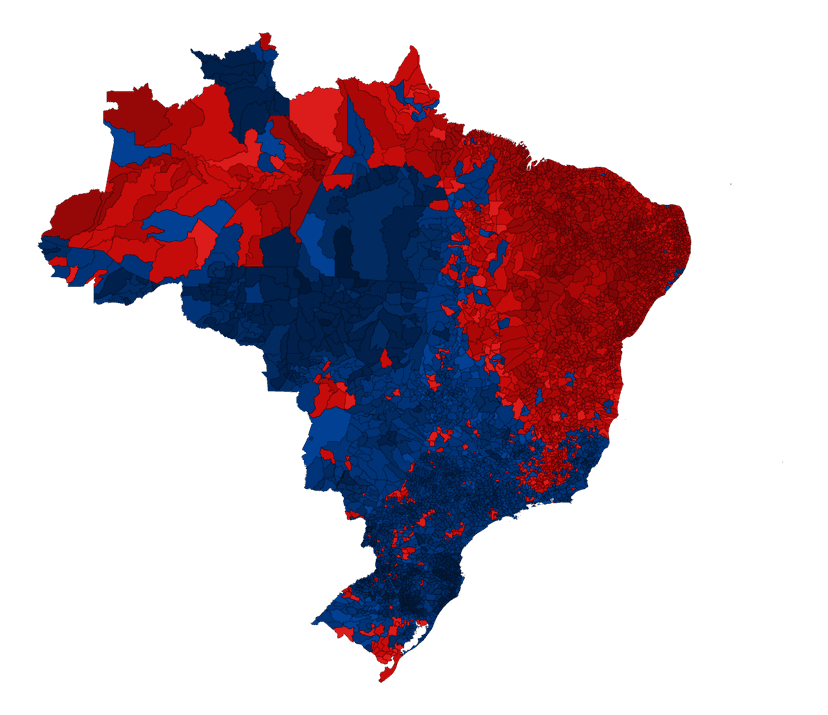

Luiz Inácio Lula da Silva won a fourth term as Brazil's president in a runoff election held on Sunday. According to the Superior Electoral Court, Lula secured 51.8 per cent of valid votes, while right-wing Senator Flávio Bolsonaro received 48.2 per cent. The margin exceeded four million votes in Lula's favour. With all votes counted, the electoral court announced that the soon-to-be 81-year-old Lula held an insurmountable lead.
Lula's victory marked an unusual outcome in Brazil's electoral history. Bolsonaro had led in the first round of voting, making Lula's comeback the first time since Brazil adopted the runoff system in 1989 that a candidate trailing after the first round went on to win. The election took place two days before Lula's birthday.
Flávio Bolsonaro refused to accept the election results, declining to concede defeat. According to reports, Bolsonaro indicated he would seek to annul the vote. His refusal to recognise the outcome followed a similar stance taken by his imprisoned father.
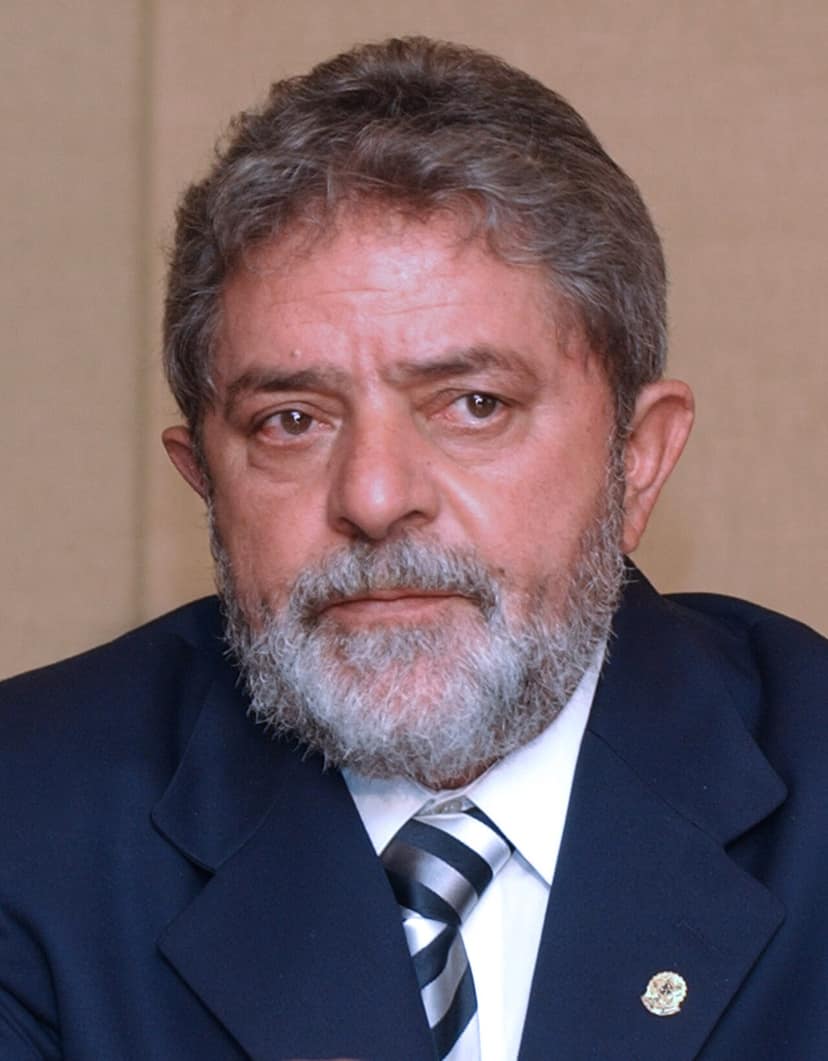

The runoff campaign featured competing visions for Brazil's future. Bolsonaro's platform focused on tackling crime and economic reform, while Lula emphasised national dignity and promised transformative progress. Lula held rallies aimed at boosting voter turnout and rallying his supporters.
Lula's re-election means Brazil's government will continue its leftward orientation. With Lula's victory, Brazil resisted a broader conservative shift seen across several Latin American countries, including Argentina, Chile, Colombia, and Peru.