World
Management of the University of Porto takes office
The management bodies of the University of Porto have been formally inaugurated following the approval of its transition from a polytechnic to a university.
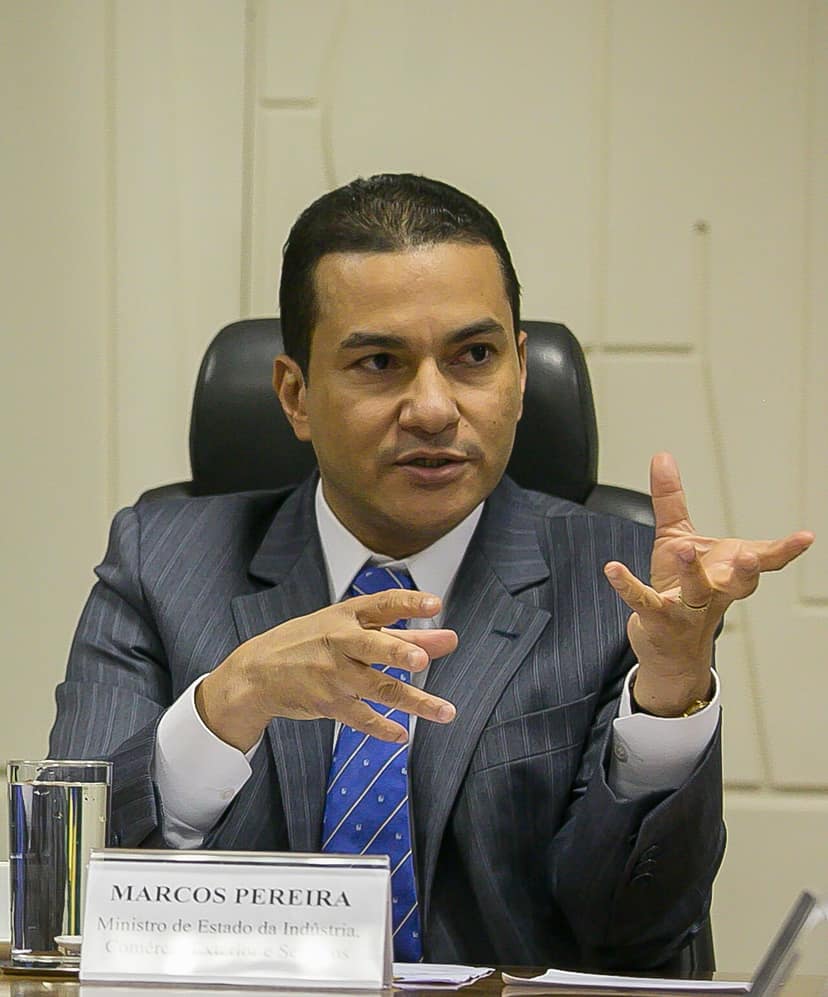

The management bodies of the University of Porto (UTP) took office today, marking the conclusion of the transformation process from a polytechnic institute to a university. This change was requested last year and received approval from the Council of Ministers in February.
The decision to change the status of UTP was motivated by the government's desire to "give substance to the transformation" that was previously demanded and agreed upon. This new status allows UTP to assume functions and responsibilities typical of a university institution.
The rector of UTP, Paulo Pereira, described this moment as a "historic moment" not only for the institution but also for the Northern region of Portugal and for higher education in the country. Pereira emphasized the importance of this development for the future of education in the area.

The transformation into a university comes with the expectation of increased resources and autonomy, aiming to enhance the quality of teaching and research at UTP. The academic community hopes that this advancement will be a decisive factor in the attractiveness of UTP.
Higher education experts consider the change significant for the educational landscape, as it broadens the training opportunities offered in Northern Portugal. This type of evolution is seen as a response to the demands and needs of the new academic context.
By assuming its new status, UTP is positioned to contribute more effectively to regional research and development, thereby strengthening its role in society and the labor market.