Panorama
Ozone hole over Antarctica at its smallest since 1990
The World Meteorological Organization (WMO) reports that the ozone hole over Antarctica was remarkably small in 2025, indicating potential recovery of the ozone layer.
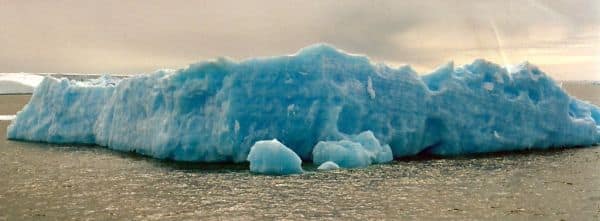
The ozone hole over Antarctica was at its smallest in 2025, a rare occurrence since the early 1990s, according to the World Meteorological Organization (WMO). This marks the second consecutive year in which both the horizontal extent and the vertical depth of the ozone hole were significantly below the average levels recorded from 1990 to 2010. The WMO reports that a measurable improvement in the ozone layer has been observed.
According to the WMO, one reason for the reduction of the ozone hole is the successful implementation of the 1987 Montreal Protocol. This international treaty has gradually banned harmful substances, such as chlorofluorocarbons (CFCs), which have significantly contributed to the depletion of the ozone layer. The reduction of these substances has evidently shown positive effects.
The WMO noted that a continuous recovery of the ozone layer has been observed since the year 2000. This raises hopes that the ozone layer could fully recover within the next few decades. This information has been shared by various media outlets, highlighting the significance of this development.
While the size of the ozone hole is diminishing, the UV risk remains a concern. The WMO emphasized in its reports that despite the reductions in the ozone hole, precautions regarding UV exposure are still necessary. The organization recommends taking protective measures, especially during periods of intense sunlight.
The positive developments regarding the ozone layer have been acknowledged by various experts. While the data indicates improvement, the challenge remains to maintain progress and secure the achievements made. Protecting the ozone layer continues to be an important task in global environmental policy.
Overall, the analysis by the World Meteorological Organization shows that efforts to protect the ozone layer through international agreements and actions are having a positive impact. The next steps for further reduction of harmful substances will need to be closely monitored by countries and international bodies.