World
Supreme Court evaluates the census of the 'grandchildren law' amid precautionary requests
The Supreme Court examines precautionary measures requested to halt the registration of new nationals in the census.
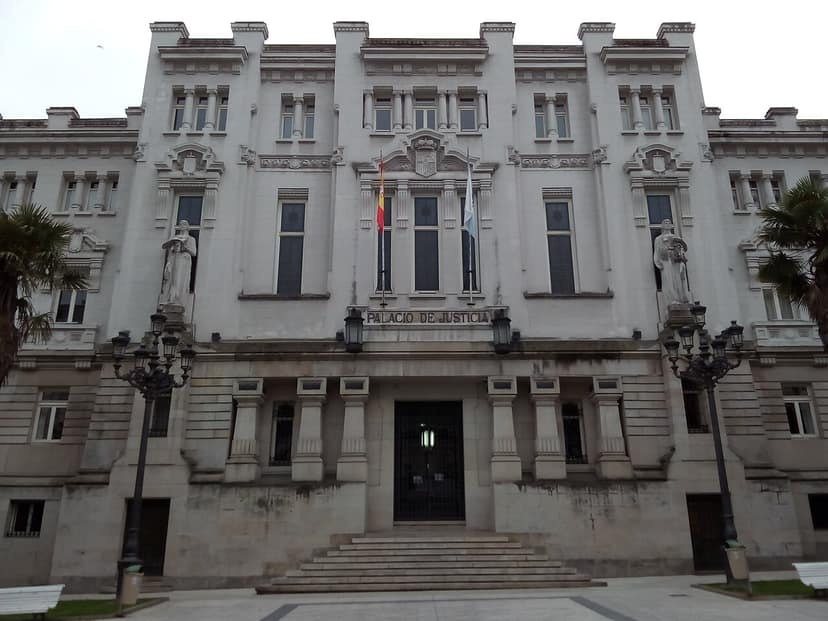

The Supreme Court of Spain has called a public hearing to address precautionary measures requested by the parties Iustitia Europa and Vox regarding the electoral census related to the well-known 'grandchildren law'. According to reports, these parties seek to stop the automatic inclusion of nationality applications processed under this regulation into the Electoral Census of Absent Residents (CERA).
During the session, representatives from Iustitia Europa and Vox argued that failing to halt the automatic entries in the electoral census could cause 'irreversible damage' to the upcoming regional elections, as it would substantially alter the electoral landscape. They insisted on the urgency of their precautionary measures to suspend this process.
Meanwhile, the Public Prosecutor's Office has opposed the suspension of registrations in the electoral census for nationals under this law, warning that accepting these requests would deprive new citizens of their right to vote. This position was supported by the State Advocacy and the legal counsel of the Parliament, who expressed themselves during the same public hearing.


The Supreme Court must now deliberate on the petitions presented, taking into account both the concerns raised by the applicants and the arguments from the Public Prosecutor's Office. According to current regulations, registrations in the census can have a significant impact on electoral results.
The discussion in the Court occurs amid growing electoral expectations and with the participation of various political forces seeking to establish their position regarding the 'grandchildren law'. The ruling issued by the Court could reflect the tensions between the right to nationality and the electoral implications involved.
It is expected that the Supreme Court's decision will set a precedent in the handling of the electoral census and the application of the law, indicating how similar cases will be treated in the future concerning new nationals and their political rights.