World
U.S. sanctions International Criminal Court President Tomoko Akane
The United States imposes sanctions on Tomoko Akane, ICC president, as part of its offensive against the Hague-based tribunal.
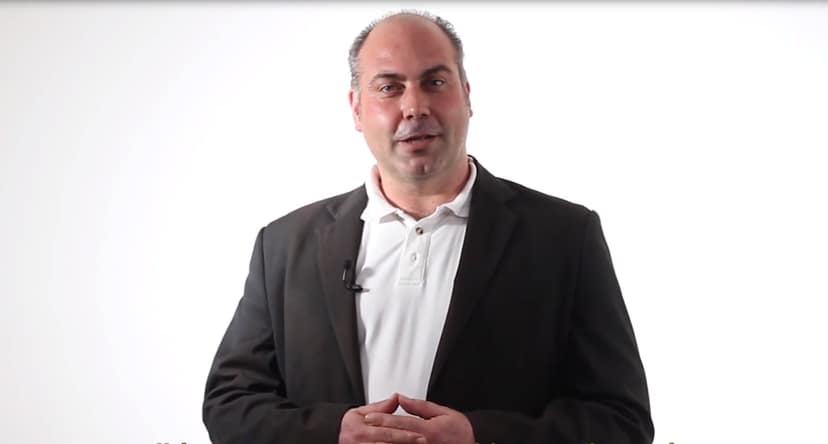
_Joan_Comorera_sobre_cr%C3%ADmenes_de_guerra_y_lesa_humanidad.jpg)
The United States has sanctioned Tomoko Akane, president of the International Criminal Court (ICC), as part of an escalation in its campaign against the Hague-based tribunal. The measure was formalized by the Office of Foreign Assets Control of the Treasury Department, blocking assets under U.S. jurisdiction and limiting economic operations related to Akane.
The Donald Trump administration has declared the ICC to be a corrupt and deeply politicized court. Reportedly, this perception has led to additional sanctions against a prosecution lawyer, increasing the total number of judges affected by U.S. measures to thirteen, including Abdoulaye Seye.
The U.S. government has argued that the ICC has abused its authority. Washington has expressed its intention to dismantle the institution responsible for prosecuting war crimes and crimes against humanity, according to various media reports.
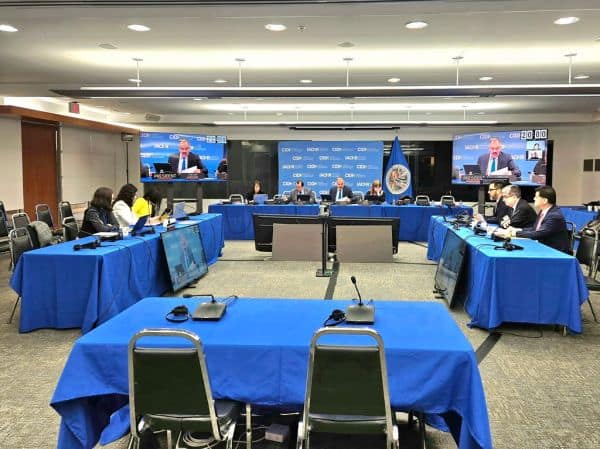
Despite these sanctions, the International Criminal Court has stated that it will continue to operate independently. The court has warned that such measures may affect the international system tasked with investigating the most serious crimes, emphasizing its commitment to international criminal justice.
The sanctions add to a series of actions taken by the Trump administration against the ICC, which does not recognize the jurisdiction of this institution. This stance has been reflected in the multiple restrictions imposed on its officials, in an effort to curb its operational capacity.
The implications of these sanctions are significant, marking a hardening of U.S. policy towards the ICC and its members. The international reaction will also be relevant, particularly in terms of diplomatic relations and the approach to war crimes and human rights.