Politics
US imposes sanctions on International Criminal Court
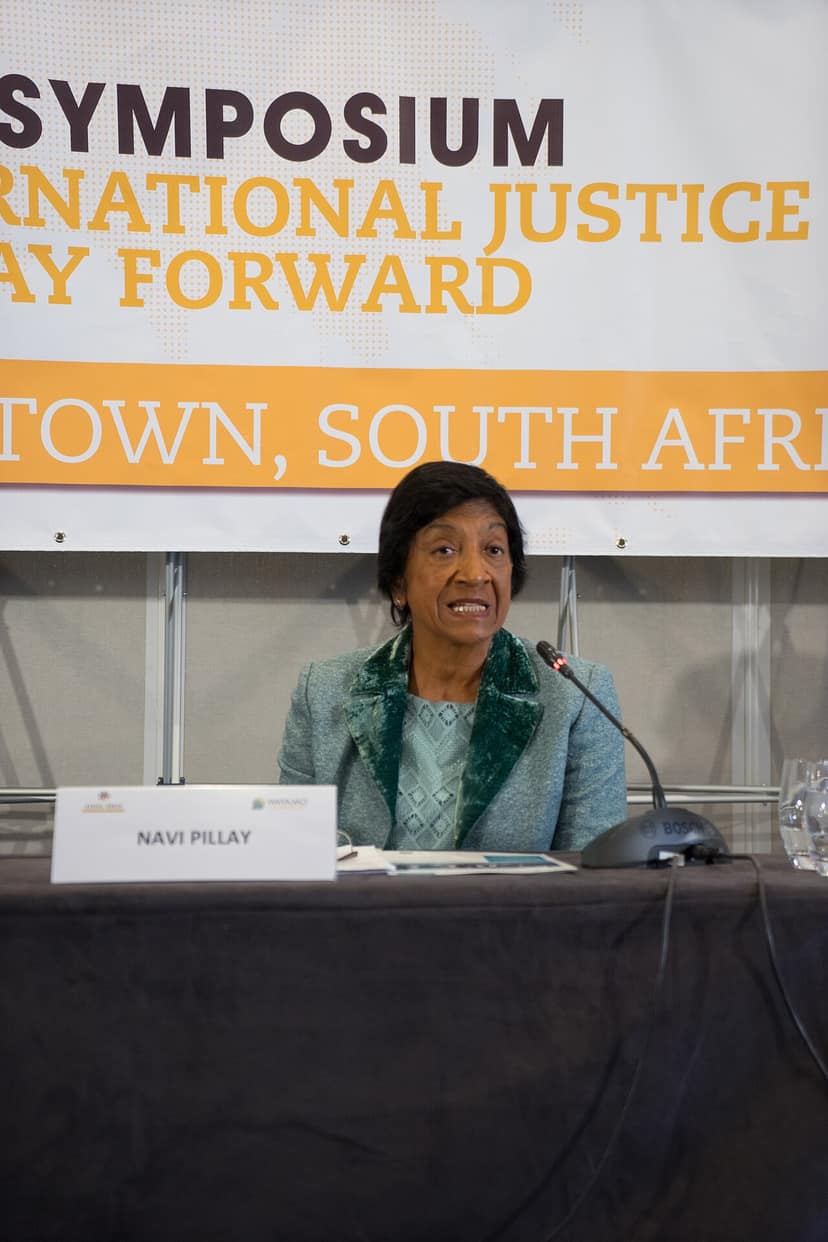
The United States has imposed new sanctions on the International Criminal Court, coinciding with Navi Pillay being awarded the Nobel Peace Prize.


The US government announced on October 10, 2023, that it would impose sanctions on the International Criminal Court (ICC). This decision was announced shortly after former ICC judge Navi Pillay was awarded the Nobel Peace Prize. According to US Secretary of State Marco Rubio, transactions with the court will be prohibited and its resources restricted in order to hinder its operational capacity.
The sanctions were formulated as a reaction to the ICC's actions against certain states. Rubio labeled the court a "rogue tribunal" and announced that the US would actively take steps against the institution. Through these measures, the US continues its criticism of international justice, which has been a recurring topic in political discussions over the past few years.
Criticism of the sanctions arose from Europe, where several countries, including Italy, have explicitly opposed the American measures. Eight states, including Italy, have expressed their support for ICC independence in a joint letter, firmly rejecting the US sanctions. This is part of a broader support for international jurisdiction.
.jpg)
The International Criminal Court has already responded to the announcement of the sanctions, reaffirming its determination to continue its investigations. In a public statement, the court emphasized its independent and neutral role, which cannot be undermined even by such pressure tactics.
The EU has also reaffirmed its support for the ICC and stated it is ready to take measures to defend the court. The influence of the US on the ICC is considered a serious challenge to international justice and human rights standards worldwide.
In the coming months, a heightened discourse on the role of the US and the impact of its sanctions on the ICC's work is expected. Observers point out that these developments could have long-term consequences for international cooperation in the field of prosecution.