World
WMO forecasts strong El Niño until February 2027
The World Meteorological Organization warns that the El Niño phenomenon will peak at the end of the year, with lasting impacts until 2027.
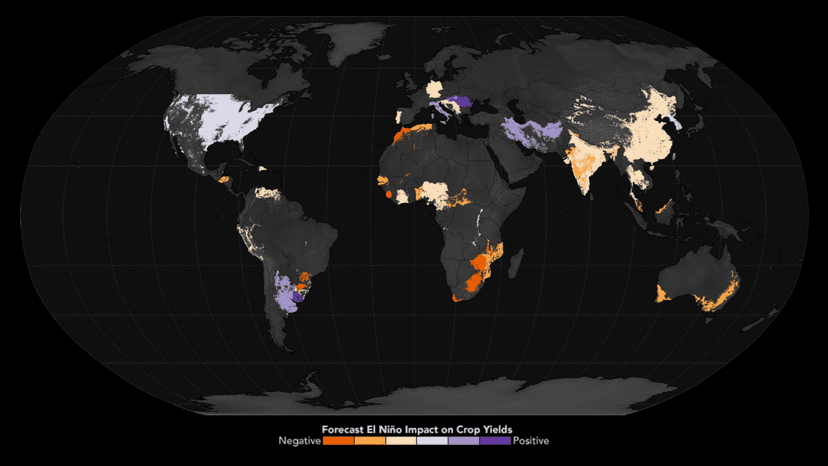

The World Meteorological Organization (WMO) has updated its forecasts regarding the climate phenomenon known as El Niño, projecting that it will reach its peak intensity by the end of this year. The phenomenon, which is already underway, promises to be one of the strongest recorded in centuries, with effects anticipated to persist until 2027.
According to the WMO, the El Niño, in its most intense form, is behind significant changes in climate and precipitation patterns across various regions of the world. Authorities warn that such changes could increase the risk of severe occurrences, such as flooding, droughts, and heatwaves worldwide.
The WMO indicated that the phenomenon will continue to intensify in the coming months, with predictions that its sea surface temperatures will rise even further. The impact of this Super Niño will be felt broadly, affecting various aspects of the global climate, including changes in agriculture and water resources.

The expectation is that as the phenomenon develops, the climatic impacts will become even more drastic, affecting the lives of millions of people. Experts emphasize that this event could reconfigure climate patterns in the coming decades, making continuous and rigorous monitoring essential.
The WMO's forecast contrasts with the weaker El Niño events that have occurred in recent history, indicating that the current one may exceed expectations regarding its intensity and duration. By February 2027, the WMO expects that the phenomenon's influence will still be present, thus impacting various regions around the globe.
Warnings about El Niño are a topic of discussion in various forums, with calls for governments and the public to prepare for potential climatic consequences. The WMO reiterates the importance of monitoring this phenomenon and ensuring that adequate measures are implemented to mitigate its effects at all levels.