World
Xylitol Intake Linked to Increased Risk of Cardiovascular Events
Research indicates high blood levels of xylitol are associated with a heightened risk of strokes, heart attacks, and death.


A study has found that elevated levels of xylitol in the blood may be linked to an increased risk of major cardiovascular events, including strokes and heart attacks. This research is noted as the largest of its kind to explore the effects of xylitol, a common sweetener used in a variety of food products such as chewing gum, toothpaste, jams, yogurts, and ice cream.
Xylitol is categorized as a sugar alcohol, occurring in some natural foods in very low concentrations. However, it is often introduced in much higher quantities—up to 1,000 times greater—to artificially sweeten various food items, beverages, and oral care products.
The findings suggest that individuals with higher concentrations of xylitol in their blood have a significantly increased risk of experiencing serious cardiovascular issues. According to reports, those with elevated xylitol levels showed a 57 percent greater risk of heart attacks and strokes compared to those with lower levels.
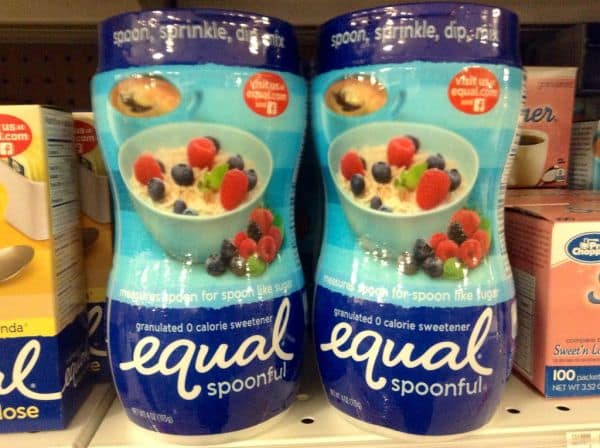
These results raise concerns about the consumption of xylitol, particularly given its widespread use in processed foods and health products. The study’s implications regarding dietary choices may prompt further investigation into the safety of such sweeteners for the general population.
There has been no immediate response from regulatory bodies regarding dietary recommendations or guidelines pertaining to xylitol following the study’s release. As awareness grows, consumers may seek more information about the ingredients in everyday products, especially those containing xylitol.
In contrast, a separate clinical trial led by Australian researchers has demonstrated that statins, a common cholesterol-lowering medication, can reduce the risk of heart attacks or strokes among healthy individuals over the age of 70, with a low incidence of serious side effects.