Panorama
Belgian Francis Halzen (82) wins Nobel Prize in Physics for research on neutrinos
Francis Halzen from Tienen has received the 2026 Nobel Prize in Physics for his research on neutrinos and contributions to the IceCube experiment.
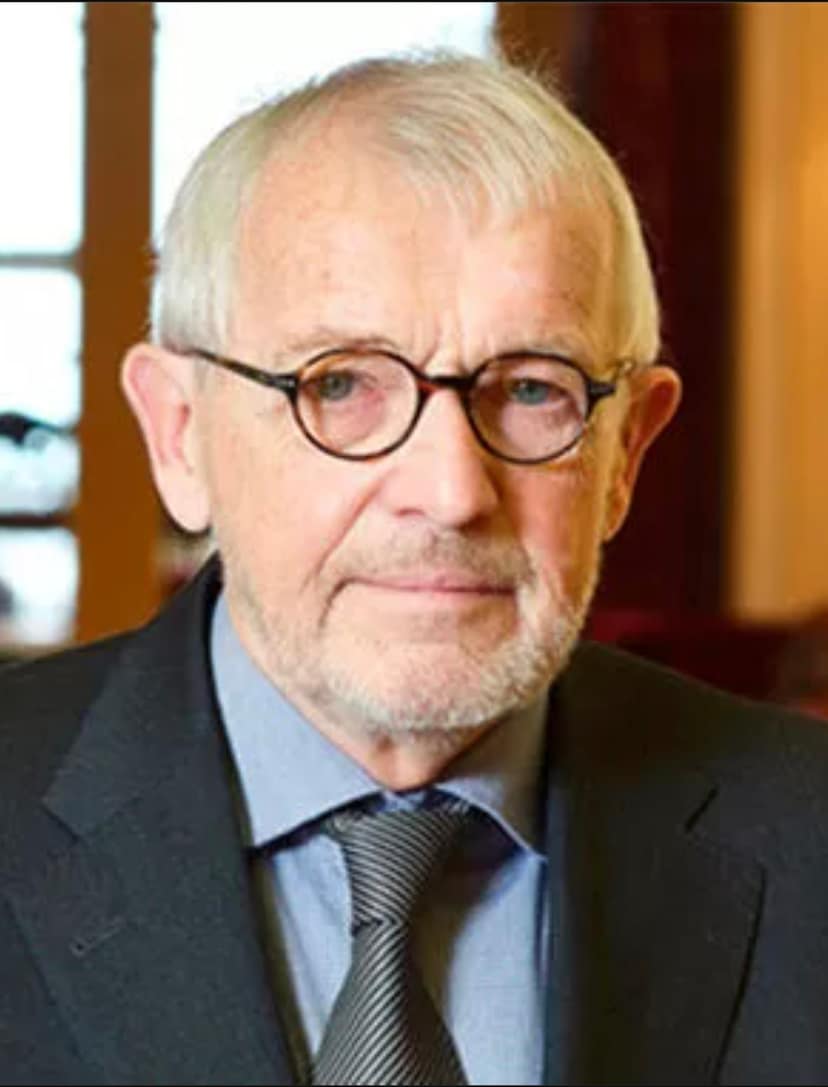

Belgian scientist Francis Halzen, born in Tienen and currently affiliated with the University of Wisconsin-Madison in the United States, has won the 2026 Nobel Prize in Physics. He receives this prestigious award for his significant contributions to the neutrino observatory IceCube and his role in the discovery of high-energy neutrinos of astrophysical origin. The Royal Swedish Academy of Sciences announced this news.
At 82 years old, Halzen is the second Belgian to receive the Nobel Prize in Physics. He is praised for his groundbreaking research on ghost particles, which he detected through the IceCube experiment in the ice of Antarctica. This detector, designed to capture neutrinos, has contributed to a new approach to astronomy.
According to Halzen, the announcement of the award was a great surprise for him. He indicated that he did not expect this, while he was informed about the honor from Italy. Halzen's research on neutrinos began in the 1980s, initially working on the Amanda project before shifting his focus to IceCube.
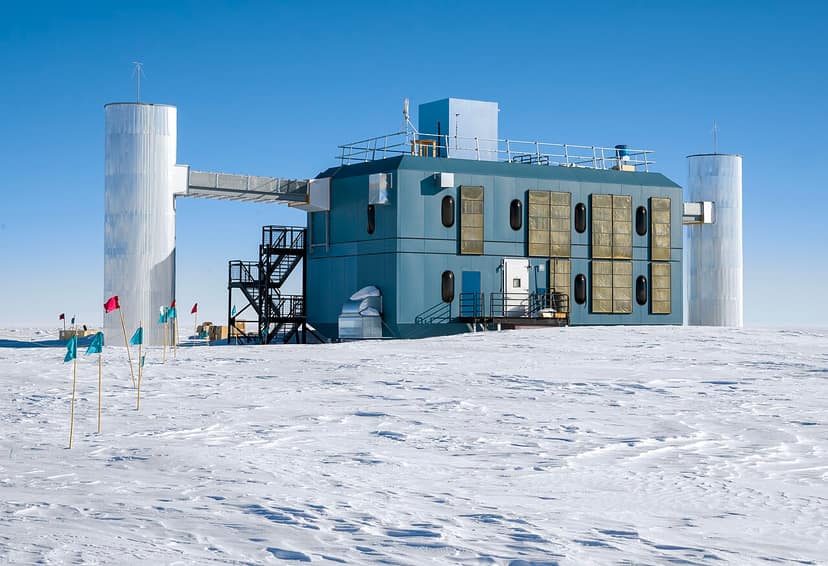

The IceCube observatory, located beneath the South Pole, utilizes clear ice to detect the rare and elusive neutrinos that come from the universe. These particles are of great scientific importance as they can provide information about cosmic events and the structure of the universe.
The Nobel Prize committee emphasized the significance of Halzen's work by referring to neutrinos as 'ghostly messengers from the cosmos.' By studying these particles, new knowledge can be gained about various astrophysical phenomena. Halzen has made an important contribution to the development of a new type of astronomy.
The award not only highlights Halzen's individual achievements but also underscores the value of collaborative scientific efforts in the quest for knowledge about the universe. The recognition of his work emphasizes the impact of neutrino research on contemporary physics.