World
Bernie Sanders and Steve Bannon Unite on AI Concerns at Washington Summit
At a Pro-Human Assembly in Washington, Bernie Sanders and Steve Bannon emerged as unlikely allies, advocating for stronger oversight of artificial intelligence amidst bipartisan concerns.

.jpg)
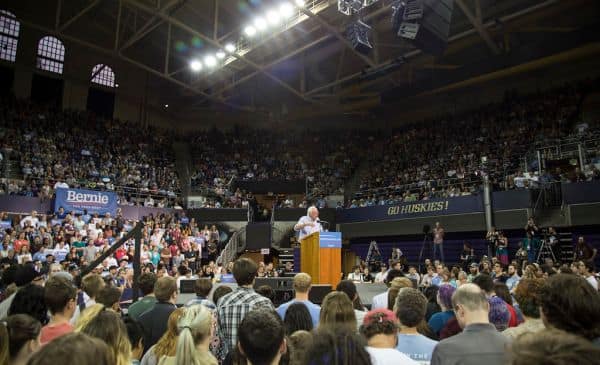
During a summit in Washington, D.C. on September 15, progressive Senator Bernie Sanders and conservative strategist Steve Bannon addressed the growing concerns surrounding artificial intelligence (AI). The event, labeled the Pro-Human Assembly, was marked by the rare partnership between these two political adversaries as they both called for tighter regulations on AI technology.
Sanders criticized Congress for being 'asleep at the wheel' regarding the rapid advancement of AI, arguing for the need to protect human interests amid the rise of powerful AI systems. His remarks highlighted the urgency of addressing potential harms posed by unregulated AI.
Bannon echoed Sanders' sentiments, aligning with him in a joint advocacy for oversight of AI, which they described as essential to prevent potential threats to employment and societal structures. Their shared stance indicates a growing bipartisan concern regarding the impact of AI technologies on public wellbeing.
While both figures agreed on the necessity of oversight, they offered contrasting views on other aspects of the AI debate, particularly regarding the political implications of AI in relation to China, referencing a so-called 'cold war' between the U.S. and China over technological dominance.
This summit showcased an unusual convergence of left and right ideologies, representing a significant moment in the political landscape as both Sanders and Bannon addressed the challenges posed by industry leaders who are moving ahead without sufficient regulatory frameworks.
The event also highlighted the differing reactions within the political arena towards AI, revealing a split with figures like former President Trump advocating for accelerated AI development, contrary to the caution expressed by Sanders and Bannon. Their alliance serves to underline the complexities of modern political discussions in the face of transformative technology.