World
Brazil's 2026 presidential runoff held with ballot audits and electronic voting
Voters chose between incumbent Luiz Inácio Lula da Silva and Flávio Bolsonaro on Sunday, with electoral courts conducting electronic ballot audits in the days prior to the election.


The second round of the 2026 elections took place on Sunday, January 25th across Brazil, with voters choosing between President Luiz Inácio Lula da Silva of the Workers' Party and Flávio Bolsonaro of the Liberal Party following a tight first-round contest. In this runoff, Brazilians voted only for president, except in five states where gubernatorial elections also took place, including the Federal District, where Leandro Grass of the PT and Celina Leão of the PP competed.
In the days before the vote, regional electoral tribunals in several states held lotteries of electronic ballot machines for audit purposes. The Regional Electoral Tribunal of Piauí drew 23 polling stations for integrity testing, while Rio de Janeiro's drew 43 machines. In São Paulo, the Regional Electoral Tribunal selected 51 machines for state audits, including two from the Paraíba Valley in Taubaté and Piquete, with 34 of them chosen by representatives of oversight organisations.
Technical verification procedures were carried out before voting commenced. In Piauí, the Zerésima was conducted, a public audit of the vote-tallying system that confirmed no records existed in the database before voting began. In Rio de Janeiro, the Regional Electoral Tribunal issued the zerésima, a document confirming no votes had been recorded in the tallying system before the start of voting.
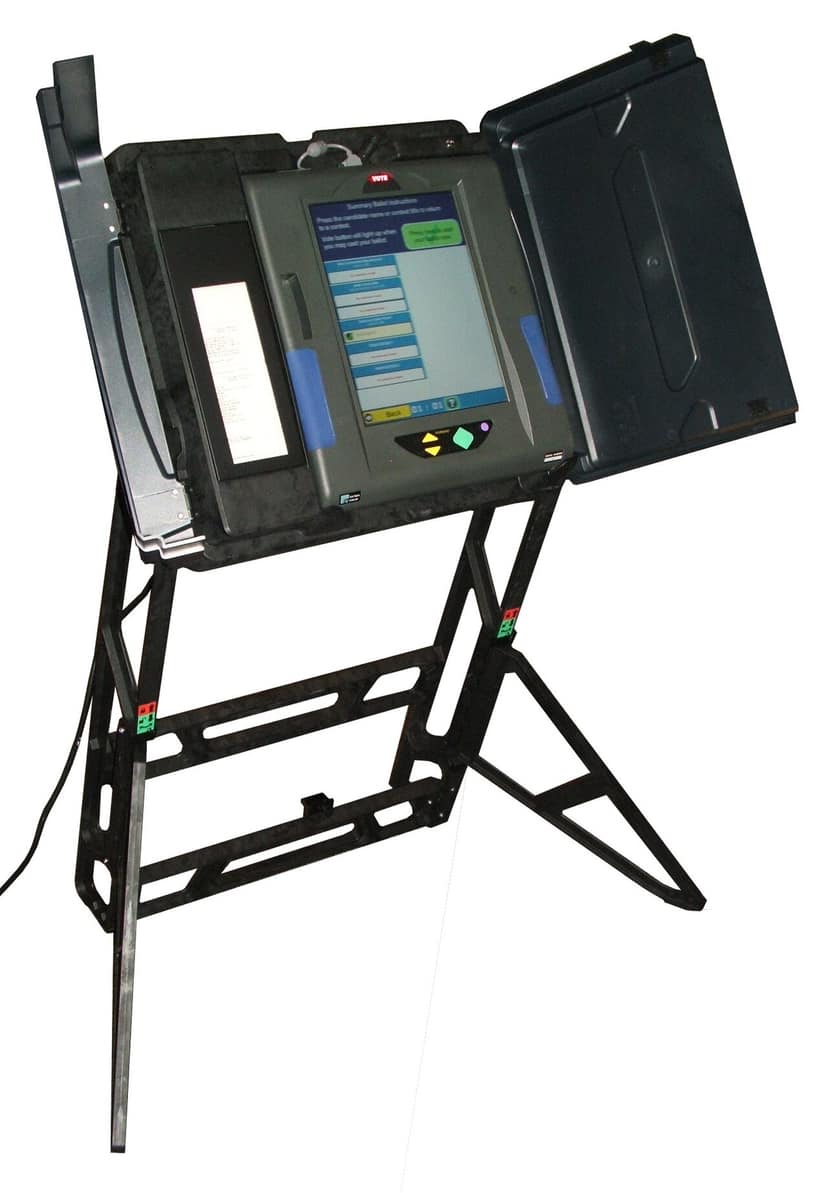

The setup of electronic machines took place on Saturday, January 24th in the Paraíba Valley and surrounding region, following Electoral Justice rules on equipment placement in polling rooms and space organisation to preserve ballot secrecy. In Paraná, 272 incidents involving electronic machines were recorded across 100 electoral zones by 11 a.m. on Sunday, with over 90 machines requiring replacement.
Vote counting began at 5 p.m. Brasília time, immediately after polls closed. The Superior Electoral Tribunal began releasing initial data, and the tribunal's president, Minister Kassio Nunes Marques, indicated the expectation of announcing the runoff result by 9 p.m. Results were disclosed in real time through public monitoring platforms.