World
Canada invited to become the first 'associated member' of the European Union
During the State of the Union address, Ursula von der Leyen invited Canada to become the EU's first 'associated member', reflecting new alliances amid global tensions.
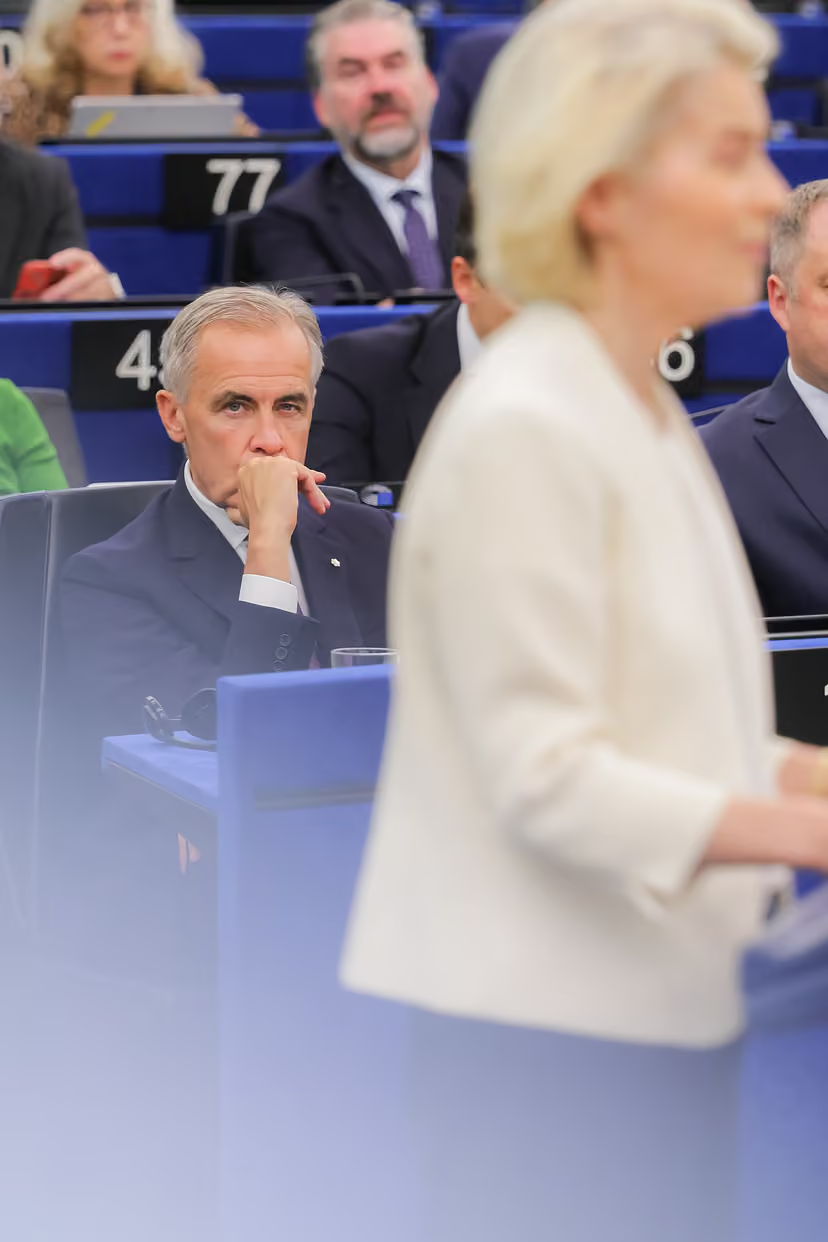

Ursula von der Leyen, President of the European Commission, announced in her annual State of the Union address at the European Parliament an invitation for Canada to become the first 'associated member' of the European Union. In her presentation, she highlighted concerns over increasing global tensions, describing Europe as facing an 'openly hostile world'.
The idea of an 'associated member' of the EU is a new concept being discussed in relation to other countries, but the proposal for Canada marks a significant step in the Union's approach to strengthen international alliances. Von der Leyen did not provide details on the specifics of this new status, which still needs to be formalized and accepted by EU Member States.
In her speech, von der Leyen referred to the paradox of a Union that presents itself as stronger but also more vulnerable. This dilemma is seen as reflecting the difficult times currently faced by the European continent. The president emphasized that the EU needs to reform and adapt to new geopolitical dynamics.
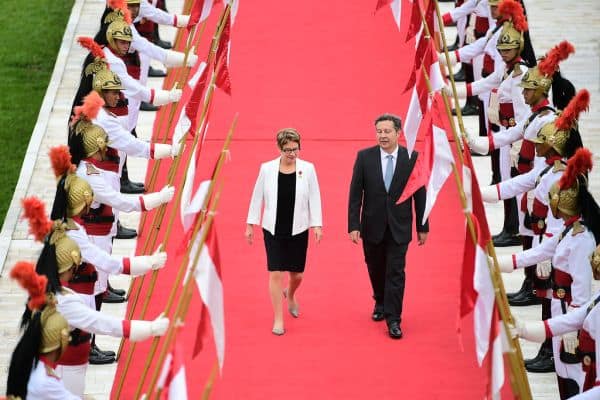
According to reports, the proposal for Canada is part of a broader European Union effort to deepen cooperation in various areas, including technology, defense, energy, and critical raw materials. Brussels also aims to strengthen relations with countries that share similar democratic and economic values.
Other speeches and analyses on the topic highlight that the label of 'associated member' was previously discussed in relation to Kyiv, requiring unanimity among the 27 EU countries for implementation. Thus, the proposal for Canada could pave the way for future collaborations with other countries seeking a closer partnership with the Union.
Von der Leyen's initiative, as reported, comes in the context of tense relations, particularly with the Trump administration in the U.S., and the rising pressure from China. The possibility of an associated Canada suggests a new approach for the European Union to tackle contemporary challenges.