World
EU-Canada Summit: Discussions on 'Associate Member' Status Complicate Negotiations
Debates among Member States regarding Canada's 'associate member' status reveal differing opinions and challenges to Von der Leyen's proposal.
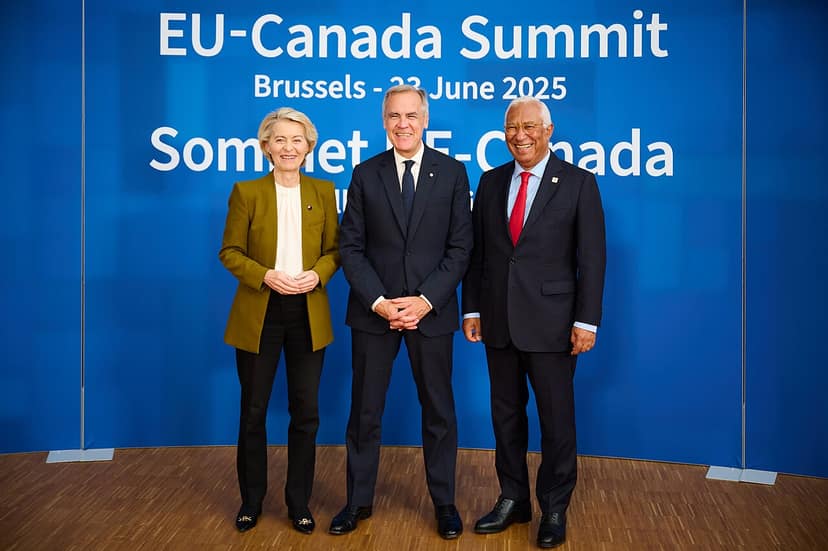

During the recent summit between the European Union and Canada in Montreal, Ursula von der Leyen, President of the European Commission, proposed that Canada become the EU's first 'associate member'. However, this idea met resistance from several Member States, which raised questions about the terminology and viability of the concept, fearing it could overshadow the substance of discussions.
Heads of State and Government are divided on the proposal. While António Costa, President of the European Council, expressed support for the idea, arguing that the association does not necessarily need to be finalized through the term 'associate member', other countries, such as Germany and France, appeared skeptical and opposed the specific designation.
In an attempt to solidify her proposal, Von der Leyen stated that the definition of 'associate member' lacks a clear legal basis but described it as an 'association without membership'. The President of the European Commission emphasized her determination to move forward with the idea, challenging the position of the Member States.
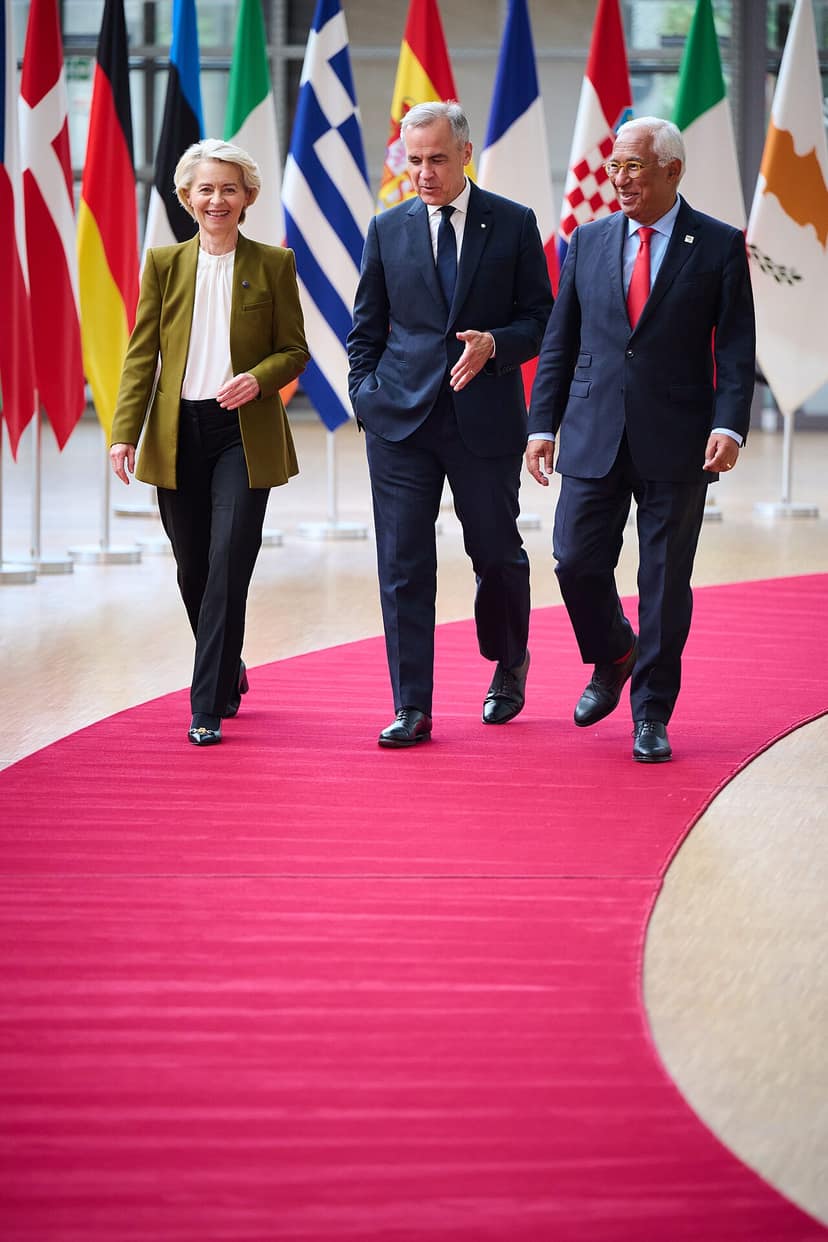

Meanwhile, Canadian Prime Minister Mark Carney also reiterated his country's interest in establishing itself as an 'associate member' by June. Carney believes that a stronger alliance with Europe would benefit both parties and is committed to finalizing negotiations ahead of the next European Council summit scheduled for this month.
In the context of the debates, observers note that the proposal could create deep divisions within the EU, as the concept of 'associate member' could imply different obligations and rights that are not easily accepted by all members of the union.
The outcome of future negotiations could determine the course of relations between the EU and Canada. Deadlines set by Canada and opposition from some European powers make the process even more complex, with leaders seeking a compromise that maintains the cohesion of the union.