World
Christine Lagarde to Leave ECB Presidency on February 7, 2027
ECB President Christine Lagarde announced her early departure for February 7, 2027, initiating the succession process.
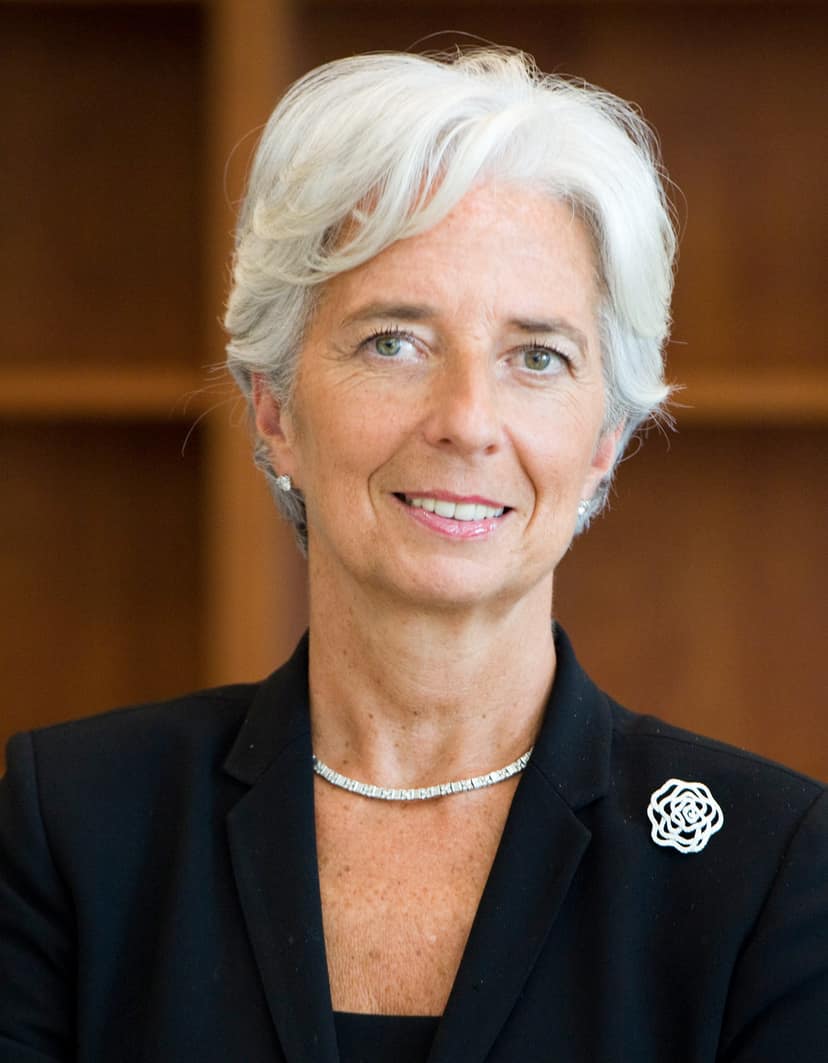

Christine Lagarde, President of the European Central Bank (ECB), has announced that she will leave her position on February 7, 2027. This decision marks an early departure, as her term was set to end in October of that same year. Lagarde communicated her decision via social media and during a meeting with the Governing Council of the institution, prompting immediate debate over her succession.
Lagarde's resignation comes at a time of political upheaval in France and amid the possible presidential elections. With her departure, the process to appoint her successor has already begun, a matter that has drawn interest among European leaders. Several candidates have been mentioned, including Spain's Pablo Hernández de Cos and the Netherlands' Klaas Knot, who are considered the frontrunners for the position.
Lagarde has led the ECB since November 2019, and while her mandate was due to conclude in October 2027, various reports have suggested that her decision to resign is linked to the need for the freedom to speak on political matters, both within France and in a broader context.
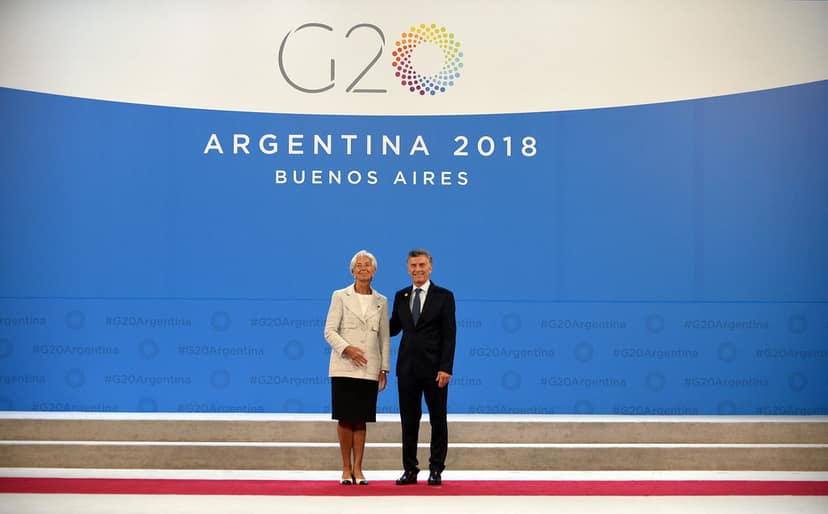
Lagarde's announcement has sparked reactions in political circles, highlighting the urgency of finding a new leader capable of handling the current economic challenges in Europe. Anticipation surrounding her succession has intensified, with discussions about how this could impact monetary policy and the future direction of the ECB.
Lagarde's departure could also affect the quest for political stability in France, where there is an increasing support for populist and right-wing candidates. It is speculated that her decision might be viewed as a strategy to encourage an orderly transition ahead of the 2027 presidential elections, where monetary policy and the ECB's decisions will be crucial.
The European Council has immediately begun the process of identifying the next president of the ECB, indicating that the race for her succession will intensify in the coming months. The election of her successor is vital, as the European community is closely watching how economic challenges and political dynamics will be addressed in the near future.