Panorama
Criticism of EU Commission: Canada Will Not Become an Associated EU Member for Now
Several EU heads of government have scaled back plans for closer ties with Canada, leading Von der Leyen to withdraw her initiative.
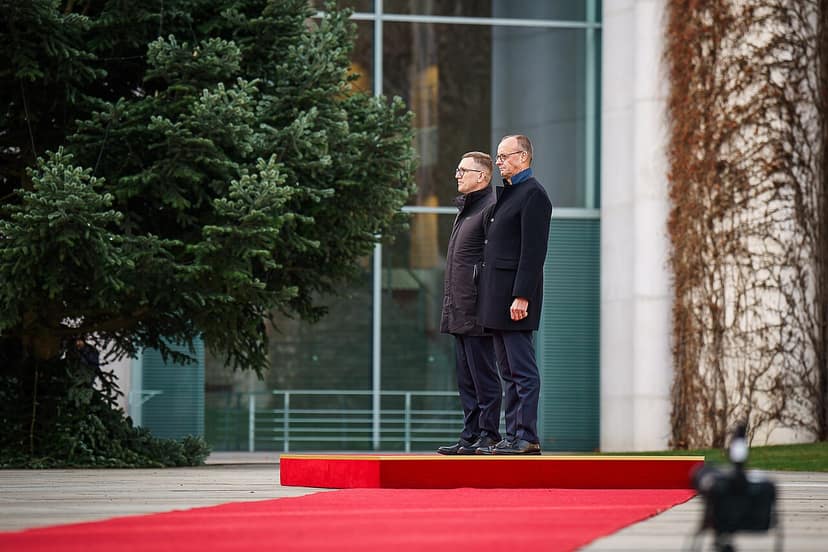

Plans by EU Commission President Ursula von der Leyen for Canada to achieve associated membership in the European Union have not received support for the time being. Several EU heads of government, including Chancellor Merz, have withdrawn their support for the proposed closer ties with the North American country. This occurred just before the start of the EU-Canada summit in Montreal.
In the draft for the summit's concluding statement, the concept of "an ever closer association of Canada with the EU" is now mentioned instead of associated membership. This change reflects the mixed responses from member states to Von der Leyen's proposed plans, which had gained urgency in recent weeks.
The earlier discussions about the association initially seemed aimed at further integrating Canada into EU policy. However, terms like "associated membership" were ultimately removed from the negotiations, which can be seen as a signal of disagreement among member states.
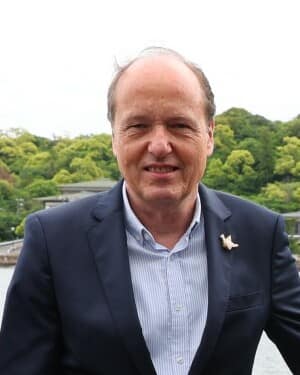

Heads of government have also expressed concern that a form of increasing integration was not sufficiently discussed beforehand. Some raised fundamental questions about the terminology and the underlying concepts of enhanced cooperation with Canada.
Von der Leyen reacted confidently, signaling that she did not intend to give up. She continues to aim to pursue negotiations and explore the possibility of a closer connection between Canada and the EU, even if the current plans cannot be implemented in their present form.
The EU-Canada summit will now focus on developing concrete proposals that do not involve the status of associated membership but can still promote strategic partnerships and collaborations. A more detailed formulation of these proposals is expected next year, when the next summit is to be scheduled.