Panorama
Elections in Germany: AfD Leads in Mecklenburg, Linke Tops in Berlin
In the states of Berlin and Mecklenburg-Western Pomerania, AfD emerges victorious in Mecklenburg, while Linke surpasses CDU in Berlin, with significant implications for Chancellor Merz.
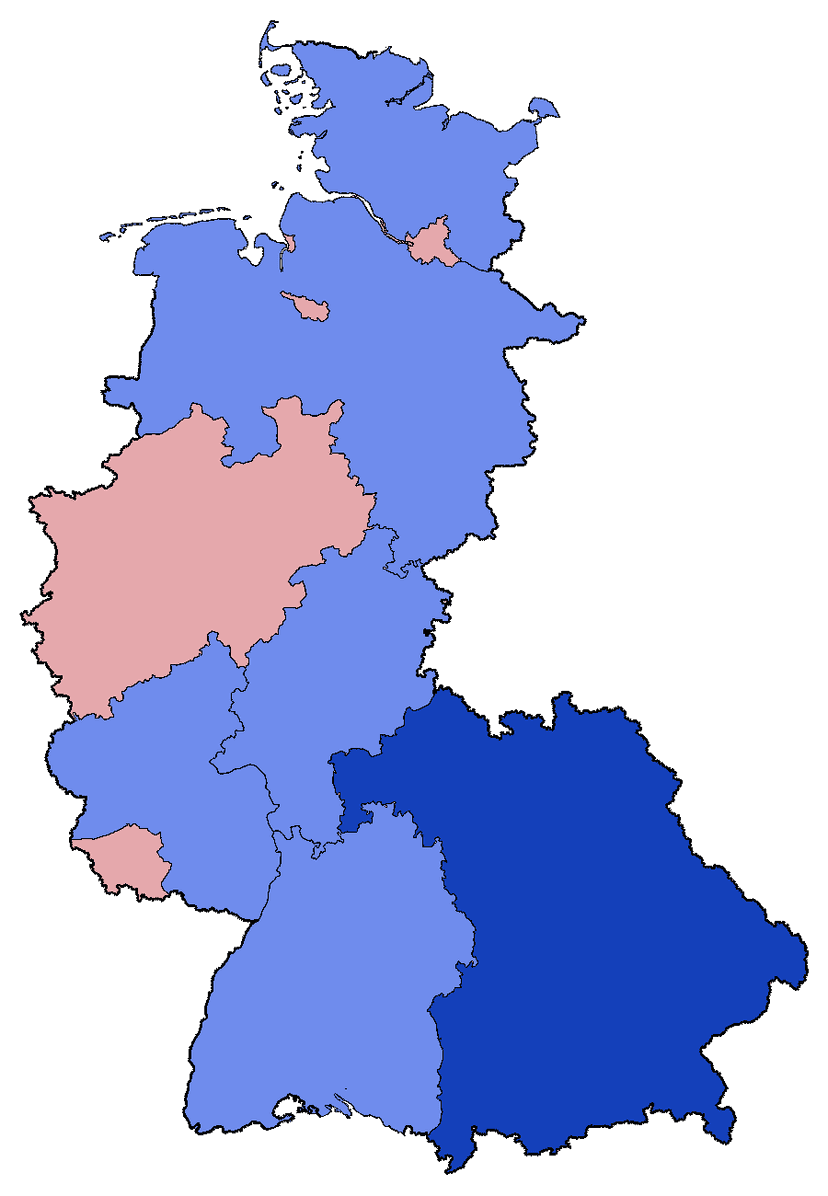

On September 20, Germany held regional administrative elections in Berlin and Mecklenburg-Western Pomerania. Early projections indicate that in Mecklenburg, the Alternative for Germany (AfD) garnered 38.2% of the votes, followed by the Social Democratic Party (SPD) with 35.5%. This victory represents a significant increase from the 2023 elections, where the AfD recorded just 9.1%. Furthermore, the CDU, the party of Chancellor Friedrich Merz, was excluded from the regional parliament, receiving only 4.9% of the votes, below the 5% entry threshold.
In Berlin, projections show Linke leading with 25.8%, while the CDU trails with 20%. This result highlights a substantial loss of support for Merz's party, exacerbated by a recent failure in Saxony-Anhalt, raising concerns about the stability of his government.
Chancellor Merz described the outcome in Mecklenburg as 'disastrous' and took responsibility for the CDU's defeats. Despite speculation regarding potential resignations, he ruled out such a possibility, stating that the response to the negative outcomes will be through reforms.

The elections were historic also for the introduction of voting rights for sixteen-year-olds, who were able to voice their opinions for the first time. Polling stations closed at 6:00 PM, followed by the announcement of the first exit polls.
In Mecklenburg, the AfD's victory occurred within a complex political landscape, with the far-right party facing isolation, while the SPD prepares to form a government despite coming in second place.
In Berlin, Linke celebrated their success with candidate Elif Eralp leading the charge, while the CDU attempts to manage the repercussions of an unfavorable vote that could impact future political scenarios in Germany.