World
FDA approves new innovative drug for pancreatic cancer
The FDA has authorized the pill daraxonrasib, providing a new treatment option for metastatic pancreatic cancer.
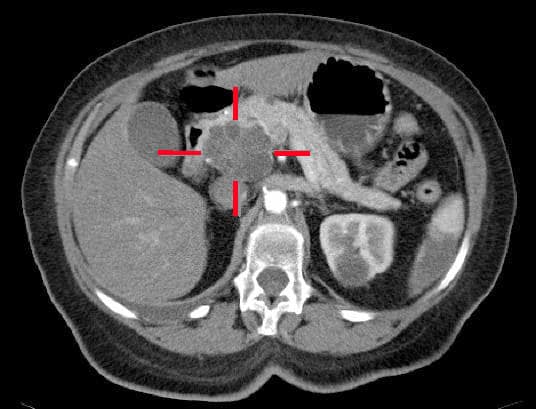

The U.S. Food and Drug Administration (FDA) has approved a new drug, daraxonrasib, for the treatment of the most common type of pancreatic cancer, one of the deadliest forms of the disease. This innovative pill aims to offer a more effective option for patients living with this serious condition.
Daraxonrasib works by blocking a mutated protein that contributes to tumor growth in over 90% of pancreatic cancer cases. This drug has undergone several clinical trials, showing promising results, including nearly doubling the average survival time of patients compared to conventional chemotherapy.
The new treatment is specifically intended for adults with metastatic pancreatic cancer who have already undergone prior treatment or who cannot undergo combined chemotherapy. The FDA granted accelerated approval for the drug, reflecting its importance in the fight against this serious illness.

The approval of daraxonrasib brings hope to many patients with advanced-stage cancer, who have limited therapeutic options available. CBS News medical correspondent Dr. Céline Gounder highlighted the potential of the drug to extend patients’ lives.
The medication, also known as Rasonque in some sources, was analyzed in rigorous clinical trials before receiving this approval. Results indicate that it may provide a significant alternative for those whose cancer has already spread throughout the body, potentially altering the treatment course.
The authorization of this new drug represents a significant development in the treatment of pancreatic cancer, a considerable medical challenge. This new therapeutic option is now available to patients in the U.S., who hope for substantial benefits from its use.