World
France confirms first human case of Shamonda virus; patient dies
French health authorities have confirmed the first-ever detection of Shamonda virus in a human, a severely immunocompromised patient who died in early October.
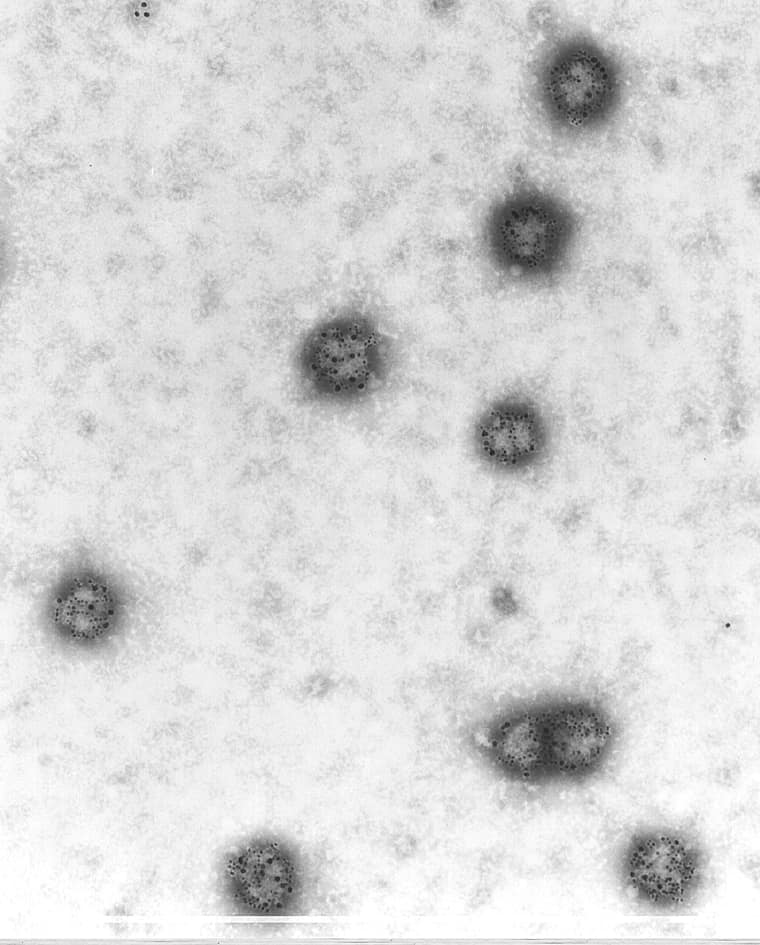

French health authorities reported the detection of Shamonda virus in a human for the first time. The patient, described as severely immunocompromised, died in Lyon in early October. According to the Times of India, investigations suggest the virus was contracted through an insect bite, likely from the Culicoides midge.
Shamonda virus is a type of bunyavirus spread by bites from infected midges. The Guardian reported that investigations are under way to determine whether the virus contributed to the patient's death. In livestock such as cattle, sheep and goats, the virus can cause diarrhoea and lack of appetite, according to the Austrian Agency for Health and Food Safety.
Until now, the virus had been considered non-transmissible to humans. According to reports from Vanguard News, the Shamonda virus has circulated in Africa and Asia for several decades but had never previously been detected in humans. The Guardian and Al Jazeera both noted that this case marks the first documented human infection.
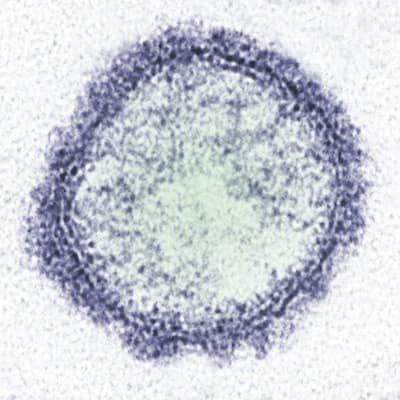

French health authorities characterised the case as "an exceptional case involving a severely immunocompromised patient," according to reports from CNA and DW. They stated that no general health risk has been identified and that authorities see no risk to the public.
The virus is typically associated with livestock, where it has been prevalent. However, the exact source of human transmission in this case and the broader implications of the first human infection remain subjects of investigation.