World
G7 decides to release 100 million barrels of diesel and oil
G7 countries have agreed to release up to 100 million barrels from strategic reserves of diesel and oil in response to U.S. pressures and rising prices.
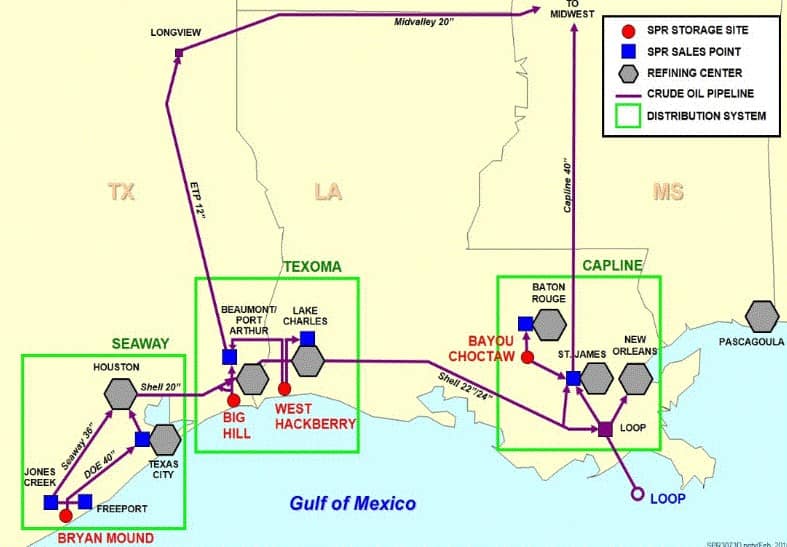

The G7 countries, which include Germany, France, Italy, Japan, the United Kingdom, Canada, and the United States, have decided during a video conference led by French President Emmanuel Macron to make up to 100 million barrels of diesel and crude oil available. The measure was announced following U.S. pressures to alleviate tensions in the energy market, a situation exacerbated by rising fuel prices.
The release of reserves will take place over the next four months and will include a significant release of diesel in the first 20 days, according to reports from various sources. The aim of this action is to mitigate the surge in petroleum product prices, which have seen considerable increases recently, especially due to geopolitical conflicts.
The U.S. Treasury Secretary was also a central figure in pressuring for this release. The action is viewed as a coordinated attempt to stabilize energy markets and ensure supply security. According to reports, this strategy is not expected to impose restrictions on exports among G7 members.


Donald Trump, the President of the United States, expressed his satisfaction with the decision via his Truth Social platform, stating that the release of diesel would begin "immediately." The involvement of U.S. authorities was highlighted as a determining factor for the agreement reached.
The G7 leaders agreed that the measures aim not only to respond to current crises but also to prevent future trade and supply barriers. Macron reiterated the need for a joint and proactive approach in the face of market pressures.
The decision received mixed reactions, with some European leaders calling on countries like China and the U.S. to maintain flexibility in their export policies, avoiding restrictive measures. Thus, the G7's action aims to contribute to economic balance in a tense global scenario.