World
Haze Affects Air Quality Across Singapore, PSI Levels Fluctuate
Air quality in Singapore fluctuated, with the central region experiencing unhealthy PSI levels on multiple occasions over the weekend.
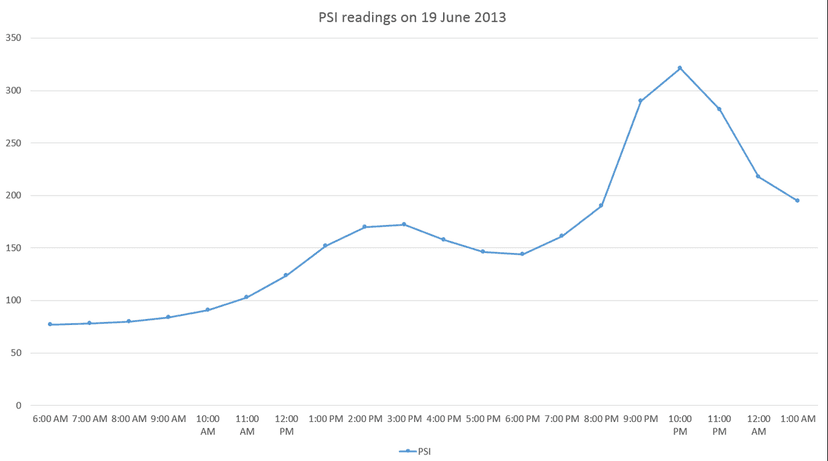

On Saturday, the air quality in the central region of Singapore deteriorated as the 24-hour Pollutant Standards Index (PSI) reached 102 at 11am, marking it as unhealthy. The National Environment Agency (NEA) reported that the air quality was forecasted to fluctuate between high-moderate and low-unhealthy ranges throughout the day.
By the evening of the same day, the PSI saw a brief recovery, dropping to 100 by 11pm. Earlier in the afternoon, at 4pm, the reading had been 94, indicating a temporary improvement in air quality.
However, the conditions worsened again on Sunday, as the PSI in the central region went back into the unhealthy range at 9pm. Just two hours later, it improved to the moderate level, suggesting fluctuating air quality influenced by local conditions.


On Monday morning, the PSI had risen again, with readings of 110 in the central region and 102 in the west reported at 6am. The persistent haze has been attributed to smoke drifting from southern Sumatra, indicating a continuation of transboundary haze issues affecting Singapore's air quality.
As of Monday evening, the NEA confirmed that the 24-hour PSI for Singapore was projected to remain in the high-moderate to mid-unhealthy range. The varying PSI levels reflect ongoing environmental challenges resulting from regional weather patterns.
While only the southern area of Singapore reported moderate pollution levels with readings below 100, the remaining regions continued to experience unhealthy air quality. The situation emphasizes the ongoing impact of transboundary haze and the need for monitoring efforts.