World
Israel rejects Trump's Gaza peace plan, Netanyahu asserts
Israeli Prime Minister Benjamin Netanyahu has explicitly rejected US President Donald Trump's 15-point peace plan for Gaza, stating military withdrawal depends on Hamas disarming.
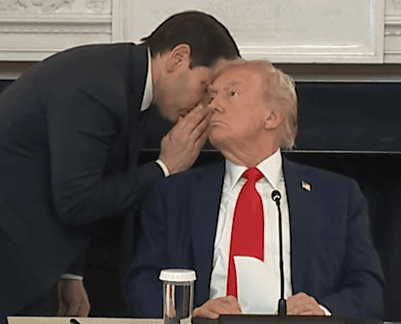

Israeli Prime Minister Benjamin Netanyahu announced the country's rejection of US President Donald Trump's 15-point plan for Gaza, a proposal aimed at addressing the ongoing conflict in the region. Netanyahu made his position clear, asserting that Israel will not withdraw its military forces from Gaza until Hamas is fully disarmed. This statement marks a significant departure from the expectations set by the Trump administration's plan, which was seen as a potential pathway for peace in the area.
Netanyahu's rejection of the plan indicates a broader divergence between Israeli policies and the initiatives proposed by the US administration. The Prime Minister mentioned the ongoing discussions with Washington while expressing that Israel has its own strategic assessments about the situation in Gaza. He emphasized that any moves towards withdrawal would hinge largely on Hamas's compliance with disarmament, an issue that remains contentious in the negotiations.
Reports indicate that there is a stark contrast between the demands from the Israeli government and the conditions laid out by Hamas. While Netanyahu insists on Hamas's total disarmament before Israel considers any military pullout, Hamas has stated that a complete withdrawal of Israeli troops is a prerequisite for any negotiation to take place. This impasse reflects significant barriers that hinder advancements beyond the current ceasefire.


In his public remarks, Netanyahu also sought to address a perceived narrative of Israeli vulnerability, highlighting his government's commitment to national security. He has faced pressure from right-wing factions within Israeli politics, which may have influenced his firm stance against the US proposal. Although there have been indications of frustration with the plan among some Israeli officials, Netanyahu’s statements represent a clear position against the American-backed roadmap for peace.
Various media outlets have reported on Netanyahu's rejection of the plan, framing it as part of a larger strategy to consolidate support just ahead of upcoming elections. This rejection comes after a week of escalating criticism from within Israel regarding the terms of the peace proposal, suggesting that Netanyahu is aligning his rhetoric with the sentiment of his political base.
As discussions between Israel and the US continue, and as the situation in Gaza remains volatile, the dynamics around this rejection of Trump's plan are likely to keep evolving. The impasse over disarmament and troop withdrawals could remain a focal point in future negotiations as both sides navigate the complexities of reaching a workable agreement.