World
Israel votes: Netanyahu faces off against Eisenkot as deadlock looms
Crucial elections follow the October 7 Hamas attacks, with polls suggesting neither bloc will secure the 61 seats needed for a Knesset majority.
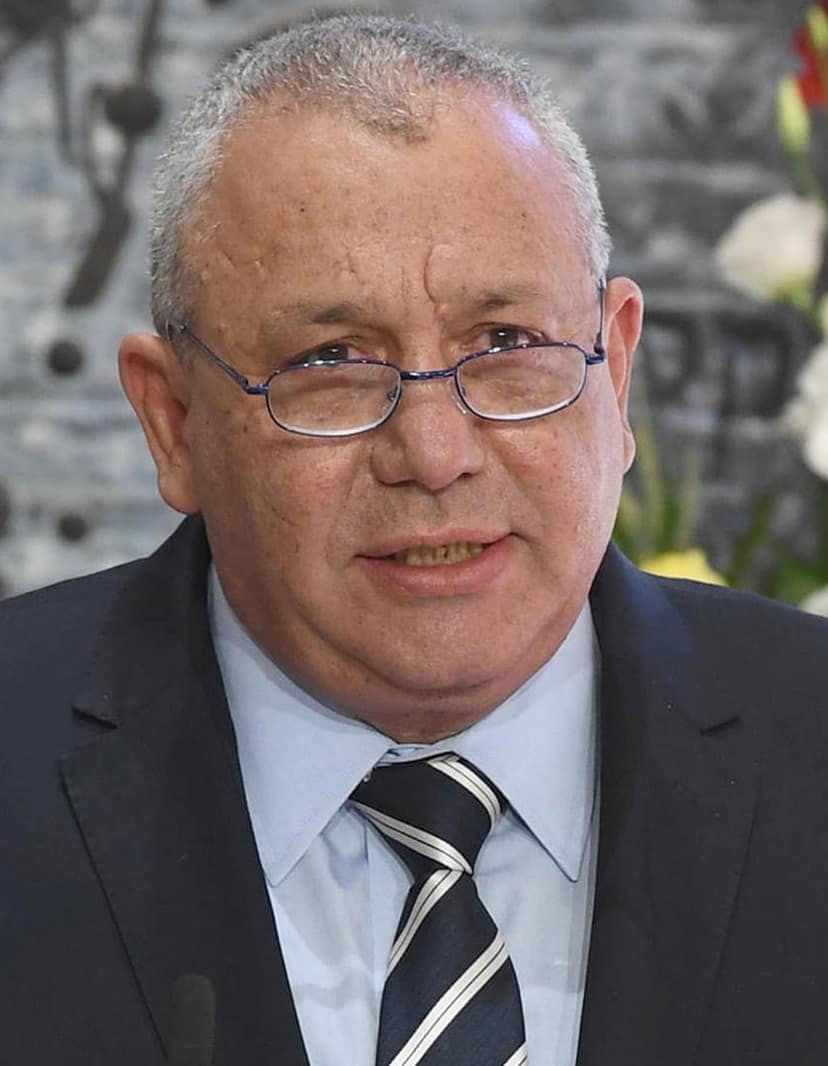

Israelis went to the polls on October 27 for parliamentary elections, marking the first vote since Hamas's attacks on October 7, 2023. The political contest centres on two main blocs: one led by incumbent Prime Minister Benjamin Netanyahu together with far-right parties, the other an anti-Netanyahu front with former military chief of staff Gadi Eisenkot as its leading figure.
Polling stations remained open from 7 a.m. to 10 p.m. local time. Turnout reached 31.5 per cent by noon, the highest level recorded since 1977, with some 2 million voters casting ballots. Netanyahu and his wife Sara were seen voting in Jerusalem, while the prime minister urged citizens to go to the polls. According to surveys, no coalition would secure the 61 seats out of 120 in the Knesset required to form a government.
With more than half the votes counted, Netanyahu's bloc would obtain 56 seats against 49 for the opposition, according to San Marino RTV. However, the result falls well short of a majority threshold, pointing to a political deadlock or the formation of a minority government. Arab parties would be considered decisive in such a scenario.
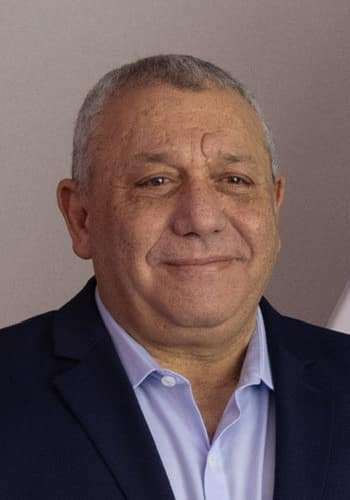

A security incident occurred during voting when a man armed with a knife approached Yair Golan, leader of the Democrats, in Tel Aviv. The individual was stopped by bodyguards without making any threats. Netanyahu claimed an attempt was being made to steal the election.
Leaders of both blocs said they were already prepared to form a government, with intensive negotiations expected in the coming days. Meanwhile, Iran declared that the election outcome would change nothing in the regional situation.