Domestic
Israeli parliamentary election results in deadlock between Netanyahu and Eisenkot
The elections in Israel have not yielded a clear majority, with Netanyahu and Eisenkot vying for leadership.
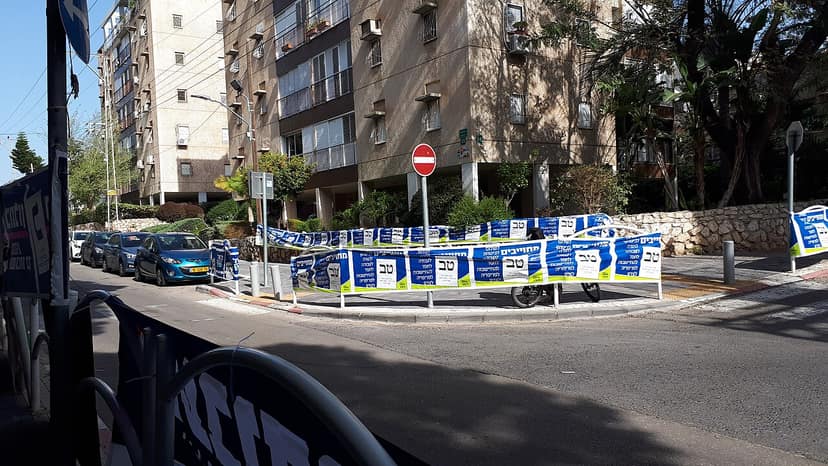

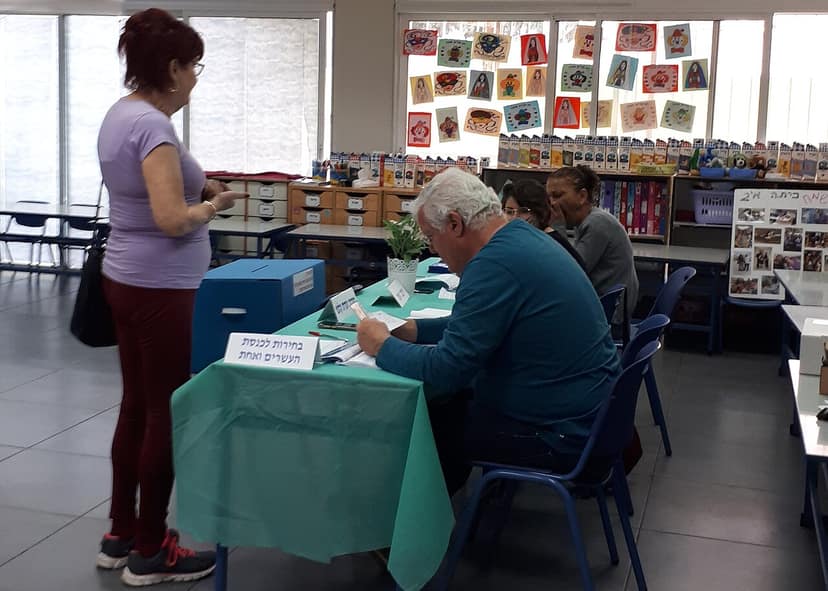
Following the parliamentary election in Israel, no clear winner has emerged. According to various forecasts, the political camps of Prime Minister Benjamin Netanyahu and his main challenger, former army chief Gadi Eisenkot, are evenly matched.
Neither of the top candidates has secured the required majority of 61 out of a total of 120 seats. Netanyahu's Likud party remains the strongest single force, but Eisenkot's new party Yashar has also failed to gain a clear majority.
The first election since October 7, 2023, has resulted in unclear circumstances. Netanyahu's governing parties have lost seats, making the search for a viable majority more difficult. Polls suggest that without the support of Arab parties, forming a government remains impossible.

Both candidates claim a mandate from the voters and assert leadership ambitions. Eisenkot is perceived as a centrist candidate, challenging not only Netanyahu but also the political legacy of European heritage.
As initial coalition talks begin, Netanyahu's party raises serious allegations of alleged electoral fraud. These accusations could further complicate negotiations for a potential government formation.
Analysts are already speculating about possible scenarios, ranging from new elections to a unity government. The deadlock between the two main actors will have a lasting impact on Israel's political landscape.