World
Margaret Hamilton, pioneer of Apollo software, dies at 90
Margaret Hamilton, who developed the software that enabled man's lunar landing, passed away on September 30, according to MIT.
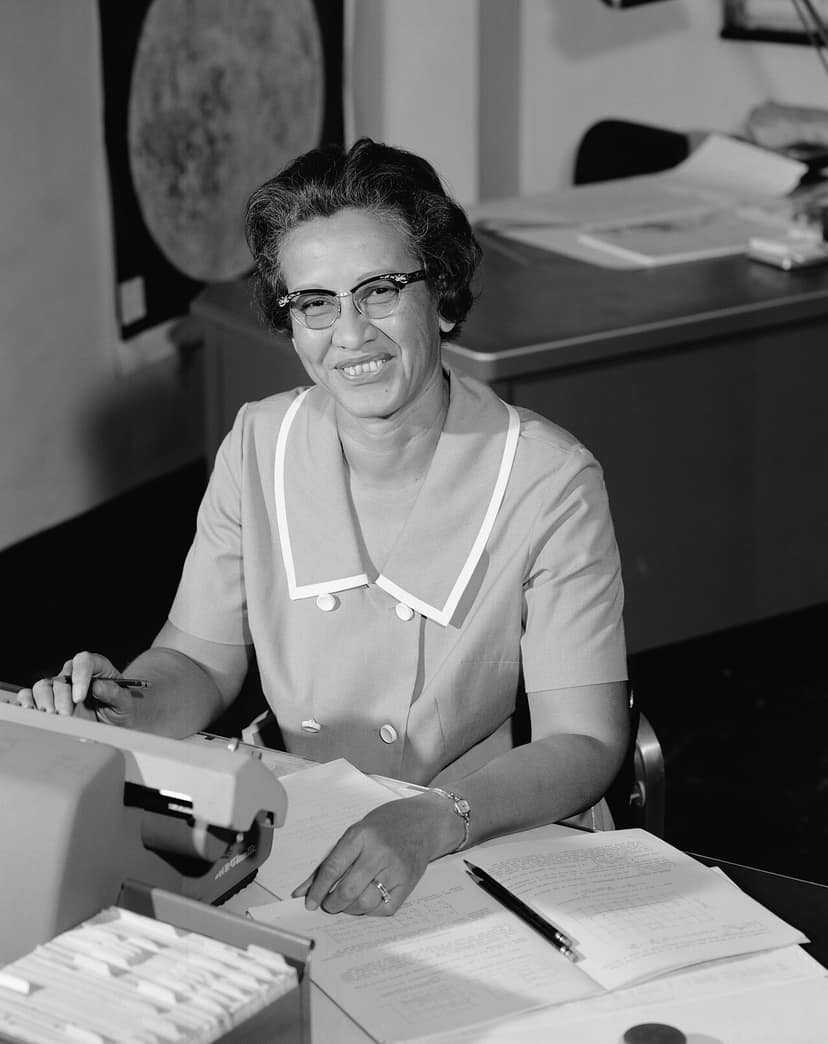

Margaret Hamilton, a pioneer in computer science and known for her pivotal role in NASA's Apollo program, died on September 30 at the age of 90. The Massachusetts Institute of Technology (MIT) announced her passing on Wednesday, recognizing her fundamental contribution to the development of the software that enabled the successful landing of Apollo 11 in 1969.
During her career, Hamilton led a team that developed the essential flight control software for lunar missions, helping to establish the foundations of software engineering as a professional discipline. Her work was crucial in ensuring that NASA astronauts, including Neil Armstrong and Buzz Aldrin, could safely reach the Moon.
Hamilton began her career at MIT in the late 1950s and became a prominent figure in computer programming at a time when terms like 'software engineer' were not yet common. Throughout her life, she received numerous accolades for her achievements, including the Presidential Medal of Freedom in 2016, awarded by President Barack Obama.
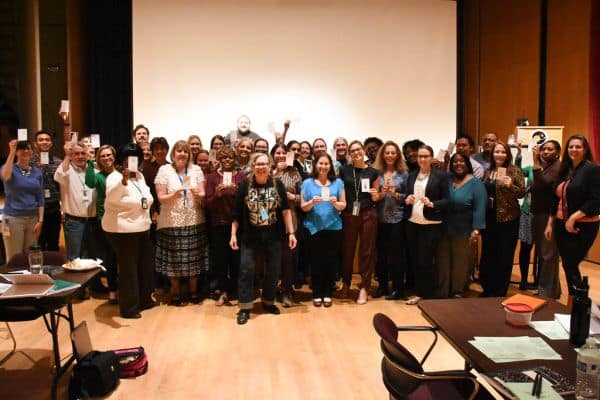
The scientific and technological community has expressed its condolences and reflected on her legacy. Over the years, Hamilton became an inspiration for generations of engineers and computer scientists, underscoring the importance of her work in the context of the space race and the development of critical software.
Her passing comes at a time when space exploration continues to advance, and Hamilton's story serves as a reminder of the vital role women play in traditionally male-dominated fields. Many have highlighted that Hamilton's contribution was key to the United States achieving the lunar landing and surpassing the Soviet Union during the Cold War space race.
Margaret Hamilton left an indelible mark on the history of computing and space exploration, and her legacy will endure in the memories of those who continue to explore the frontiers of space. Her work not only transformed the technology of her time but also paved the way for future innovations in the field of computing.