Science & Technology
NASA fails rescue mission for space telescope Swift
NASA has declared its rescue mission for the space satellite Swift a failure due to technical issues. The satellite is expected to re-enter Earth's atmosphere later this year.
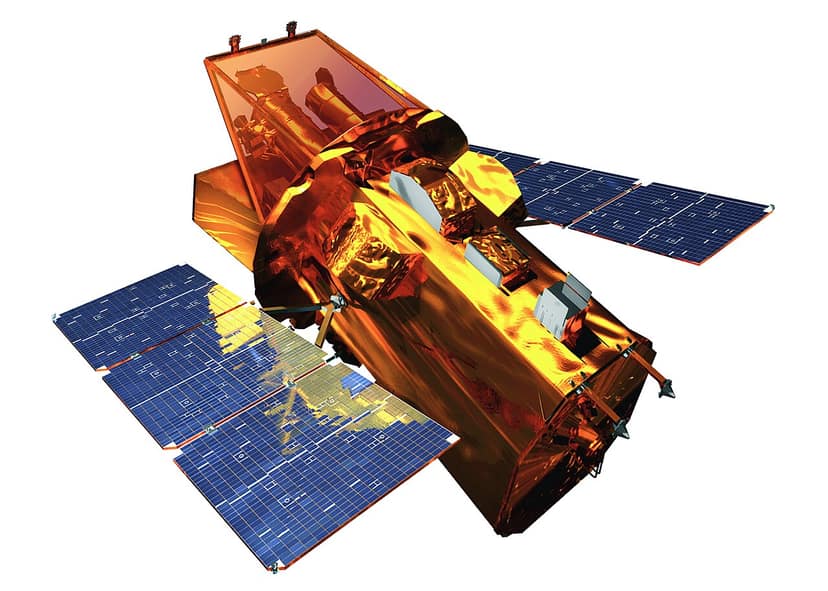

NASA announced on Wednesday that its mission to rescue the Swift space telescope has failed. The plan involved a robot developed by the startup company Katalyst, named Link, which was intended to boost the satellite into a higher orbit.
The robot was supposed to catch and support the telescope; however, persistent problems with the control system arose during the mission. These difficulties resulted in the assessment that physical contact with the telescope was deemed unsafe.
The Swift satellite has been operational since 2004 and is specialized in observing gamma-ray bursts in distant galaxies. Its mission has been crucial for understanding these astrophysical phenomena.

With the failure of the rescue mission, NASA now faces the impending decline of the telescope into Earth's atmosphere. The satellite is expected to re-enter the atmosphere and burn up by the end of the year.
The budget for the failed rescue mission was approximately $30 million. The decision to terminate the project was made one month after the launch of the rescue robot, as the technical issues could not be resolved.
NASA plans to store as much data as possible in the remaining time before the satellite disintegrates. This is aimed at ensuring that the valuable research findings of the Swift telescope are not lost. This situation presents a significant challenge for the state of current space technology.