Panorama
NASA releases detailed images of a crater caused by a SpaceX rocket on the Moon
NASA has published new photos of the impact crater created by a SpaceX rocket stage on the Moon.
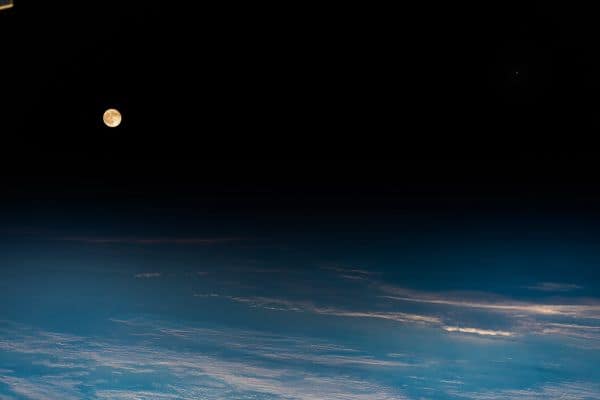
NASA has released new, detailed images of the crater formed by the impact of a four-ton piece of debris from a SpaceX rocket on the Moon. These images are the result of calculations made by the space agency last week. The impact occurred about two weeks ago, leaving a crater approximately 18 meters in diameter and less than three meters deep.
The U.S. space agency reported that the images are based on the shadow cast by the crater, allowing for precise measurement of its dimensions. These photos are the first to document the impact and the resulting geological changes on the lunar surface. The images clearly show the shape and size of the crater.
According to reports, the impact was caused by debris from the Falcon 9 rocket, which was originally intended as part of a mission to transport satellites into space. The exact timing of the impact was not precisely planned, leading to this unexpected collision. Thus, it was not part of SpaceX's original mission.
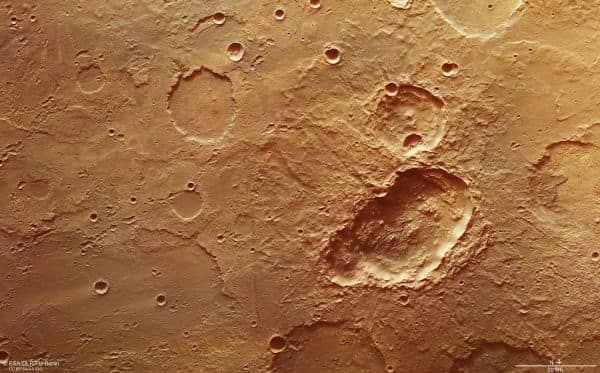
The event has sparked considerable interest within the space enthusiast community, among experts, and scientists. The release of the images could also ignite new discussions about how to deal with space debris and the impact of human activities on other celestial bodies. In connection with the crater, there has also been a call for a comprehensive monitoring system.
The space agency emphasized that this is not the first incident of this kind. Similar events in the past have already led to the formation of craters on the lunar surface. The current images could help in learning more about the effects of such collisions.
Future missions could leverage the collected data to ensure that similar incidents can be better predicted and, if possible, avoided. NASA remains in contact with SpaceX to monitor the long-term consequences of such impacts on the lunar surface and other celestial bodies.