Science & Technology
OpenAI introduces invisible watermark for ChatGPT texts in the EU
OpenAI will implement an invisible watermark for ChatGPT and Codex texts for users in the European Union, aimed at complying with AI legislation.
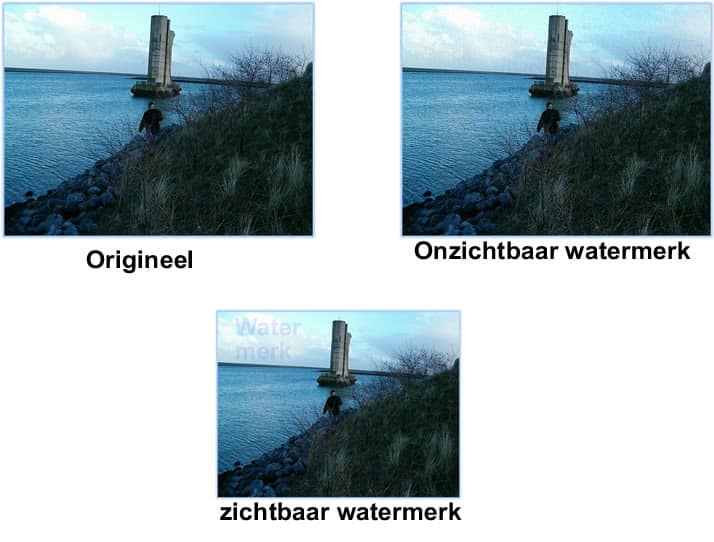

OpenAI has announced that it will add an invisible watermark called textGrain to texts generated by ChatGPT and Codex. This will initially apply only to users in the European Union. The implementation of this feature is intended to meet the requirements of AI legislation within the EU.
The watermark is designed to help identify texts produced by artificial intelligence. It is a statistical signal embedded in the text, making it invisible to most users. OpenAI claims that the effectiveness of this watermark can reach up to 95 percent, but the detection rate drops significantly to 17 percent when the text undergoes many alterations.
In addition to OpenAI, Anthropic has also announced plans to introduce similar technology, but OpenAI has stated it will offer its API customers the option to disable the watermark. This could be a significant choice for developers providing AI-related services.


The watermark feature is a crucial step in enhancing trust in AI-generated content and raising user awareness about the origins of texts. The functionality will soon be rolled out in the EU, and it should make it easier for researchers and other stakeholders to verify whether a text has been generated by an AI system or not.
The technology used by OpenAI is claimed to perform better than other available techniques, including SynthID from Google DeepMind. This indicates that OpenAI aims to take a leading role in AI transparency.
Outside the EU, texts from ChatGPT and Codex will remain without watermarks. This creates a difference in how AI content is treated globally, emphasizing compliance with regional legislation.