World
Rescue Operations for Trapped Workers Continue After Nepal Floods
Two workers were rescued from a Nepal hydropower tunnel nine days after catastrophic flooding, but many others remain missing.
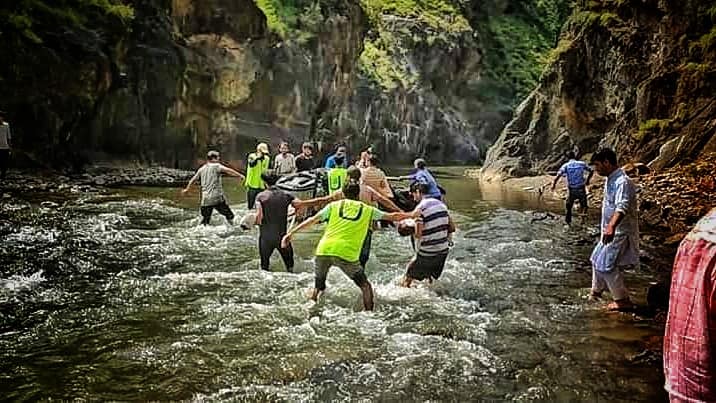

Nine days after devastating floods struck Nepal, rescue efforts are ongoing in the country’s hydropower project tunnels. According to government sources, two workers have been successfully rescued from a tunnel buried under debris. The rescues were confirmed by officials who stated that one worker was pulled from a muddy opening while another was found entangled in the remnants of the tunnel, both showing signs of exhaustion but alive.
Authorities reported that the workers were part of the Rasuwagadhi hydropower plant project, where around 500 individuals are believed to be trapped. Additionally, it is estimated that nearly 900 workers across multiple hydropower projects are either missing or trapped due to the floods, highlighting the scale of the disaster that has affected the region.
In the days leading up to the rescues, hopes of finding survivors in the tunnels were waning, as initial reports indicated that no further survivors had been found. Rescue operations have been complicated by blocked tunnel shafts, which required interruptions in the excavation efforts. This situation raised concerns about the conditions inside the tunnels, with persistent fears for the trapped workers’ safety.
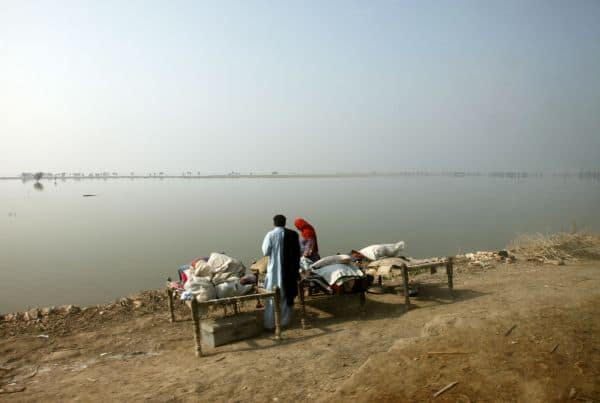
Nepal's disaster management authority has remained engaged in ongoing search and rescue operations. While they confirmed the challenging circumstances of the rescue, they noted that efforts will continue as they assess the feasibility of accessing more areas within the tunnels where workers may still be alive.
Despite the challenges faced, government ministers expressed renewed optimism following the successful rescues, with officials indicating that many of those trapped could still be alive, particularly in 'room-like' structures within the tunnels. This assertion aligns with reports from various sources that suggested rescuers had detected voices from within the debris during earlier stages of the operation.
The situation in Nepal remains dire, with reports of extensive human suffering following the flooding. Authorities continue to focus on coordinating rescue operations while managing the fallout from one of the worst natural disasters to hit the region in recent years. As of now, the search for additional survivors and the recovery of the missing workers is of paramount importance to the government and rescue agencies.