World
Santos Silva criticizes government for handling of protests
Augusto Santos Silva, former president of the Assembly of the Republic, criticized the government's management of housing protests, referring to a situation of disorientation.
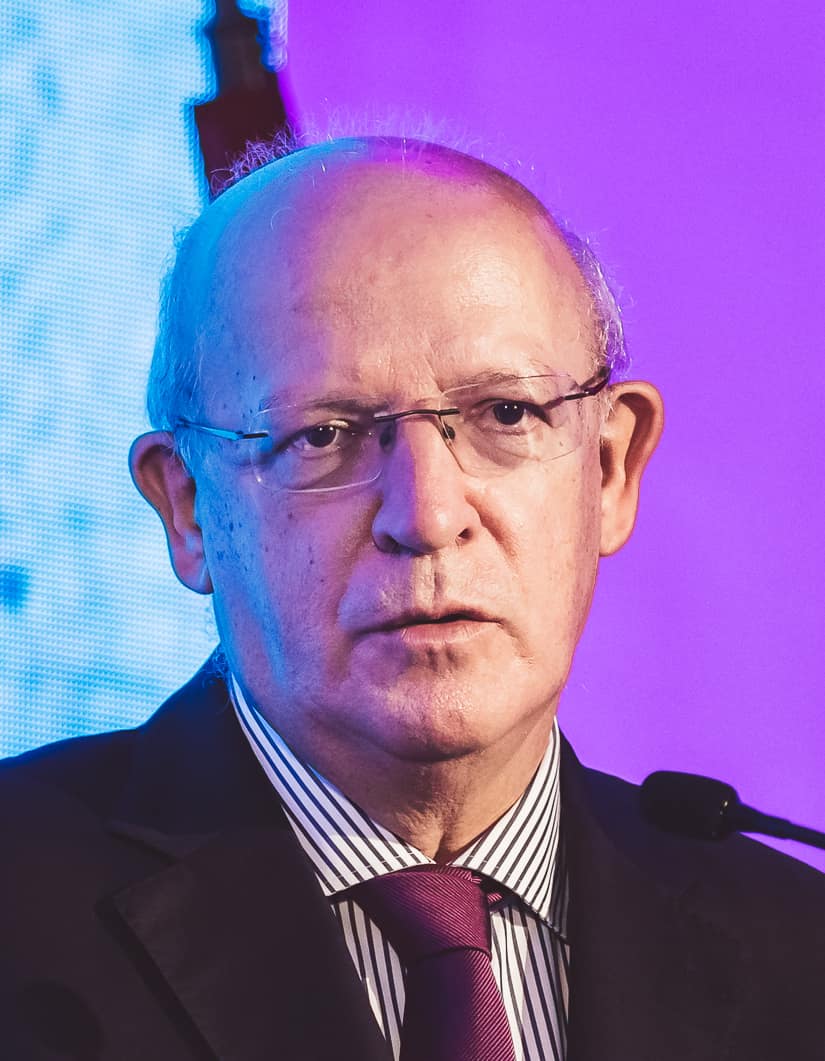

Augusto Santos Silva, the former president of the Assembly of the Republic, expressed criticism regarding the management of the government led by Luís Montenegro, describing it as "clumsy" following the recent housing protests. Santos Silva emphasized that the government's response to the protests has been inadequate, mentioning that there are "skeletons in the closet" in its approach.
The former leader of Parliament also accused the government of instrumentalizing the Public Security Police (PSP) in its responses to the protests. The presence and actions of the police during the demonstrations have been under scrutiny, and Santos Silva deemed this approach a wrong way to handle the situation.
Additionally, Santos Silva criticized Luís Montenegro, accusing him of being "absent in unspecified parts" during a critical period for the country. While pointing to a lack of communication and action within the government, the former Assembly president dismissed the idea that the country should face frequent elections, stating that a scenario of yearly elections is unacceptable.
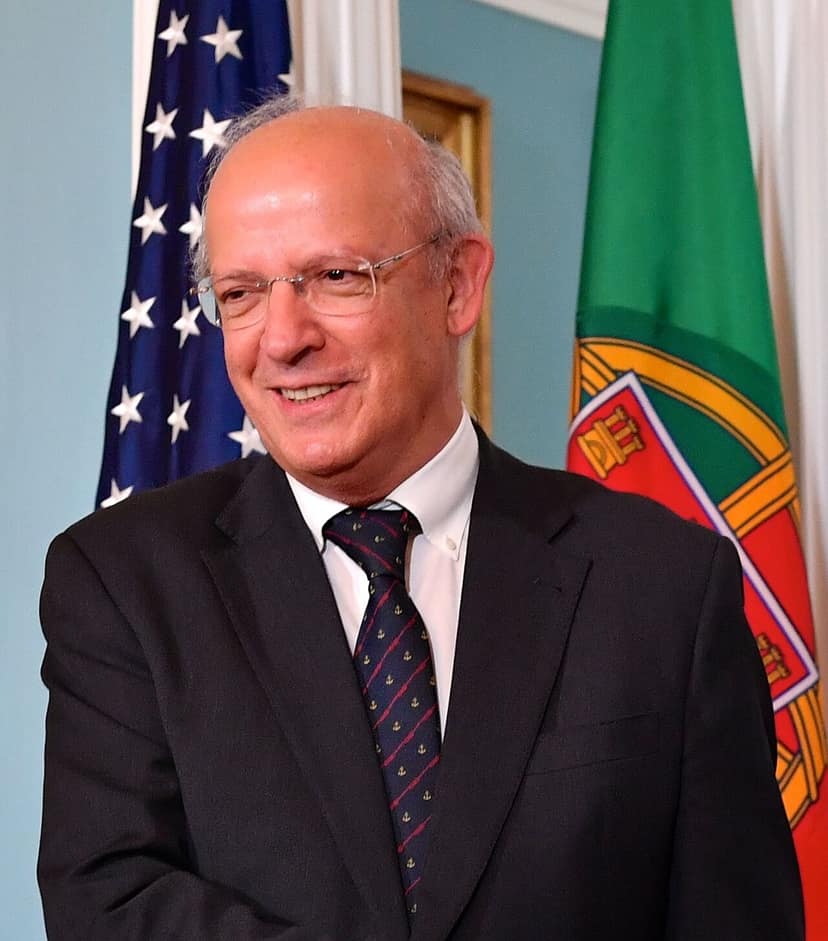

Santos Silva's statement generated reactions among other parties, with some supporting his criticism while others consider the accusations part of a political strategy. The housing protests have garnered a variety of opinions from different sectors of society.
The protests for housing, which have gained prominence, have the potential to continue influencing the political debate in Portugal. The calls for better housing policy reflect the social concerns that have emerged in various parts of the country, and the government's response remains a topic of discussion and contestation.
In summary, Augusto Santos Silva's remarks indicate a growing political and social tension surrounding the government's handling of fundamental issues like housing, as different political actors position themselves as the situation evolves.