World
Trump announces end of U.S. military aid to Israel by the end of the year
Donald Trump confirmed that the United States will suspend military assistance to Israel, valued at $4 billion annually, by the end of this year, claiming it is no longer necessary.
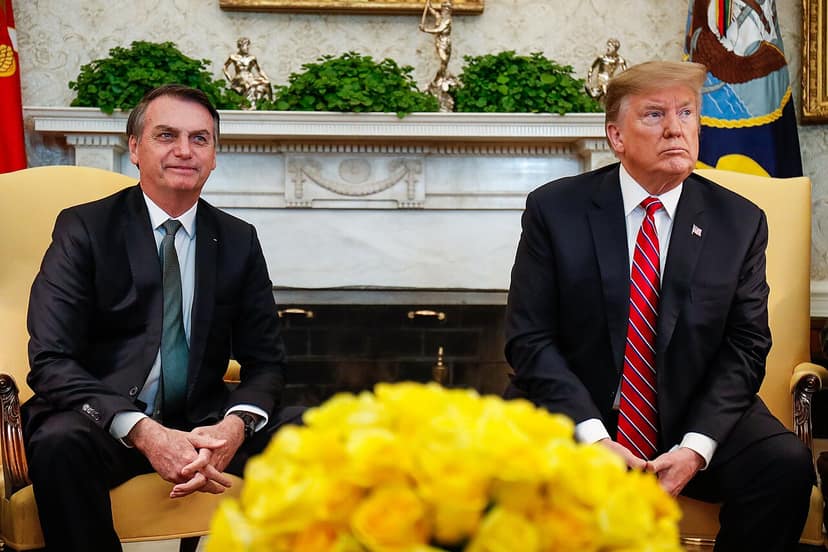

U.S. President Donald Trump announced that the country will end military aid to Israel, estimated at $4 billion annually, by the end of this year. Trump explained that this decision was previously agreed upon with Israeli Prime Minister Benjamin Netanyahu, arguing that Israel no longer needs this assistance.
The U.S. leader mentioned in an interview that, due to an agreement with Netanyahu, financial support will be interrupted, which had been part of a ten-year security cooperation program established earlier. The cessation of this assistance was scheduled to continue until 2028 but will now be advanced.
Beyond suspending aid, Trump indicated that the United States will begin selling arms to Israel, changing the nature of their collaboration. This statement comes in a context where Trump and Netanyahu have reportedly discussed this topic extensively, with these ties considered strategic by both leaders.
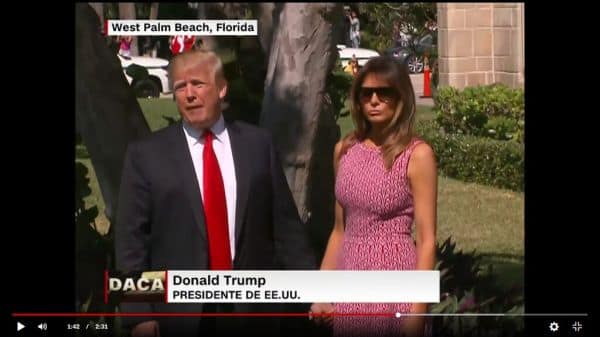
Trump reiterated that, in his view, Israel does not need the $4 billion provided annually. The decision has garnered media attention, especially at a time when support for Israel in the U.S. faces scrutiny from some political sectors, both Democratic and Republican.
The announcement also comes amid the midterm elections in the U.S., adding another layer to the discussion on foreign aid spending. According to Trump, the measure aims to reduce costs for the U.S. government, although it has not resolved diverse opinions within Congress.
The decision to end military aid and begin offering arms to Israel has been praised by some, while others view it as a point of friction in the relations between the two countries. The military assistance dynamic between the United States and Israel has been a fundamental issue in U.S. foreign policy for decades. However, with this new approach, debates about the future of this bilateral relationship are expected to emerge.