Science
A tardigrade protein reduces radiation damage to human cells
Research reveals that a tardigrade protein could protect human cells from radiation by acting as a shield for DNA.
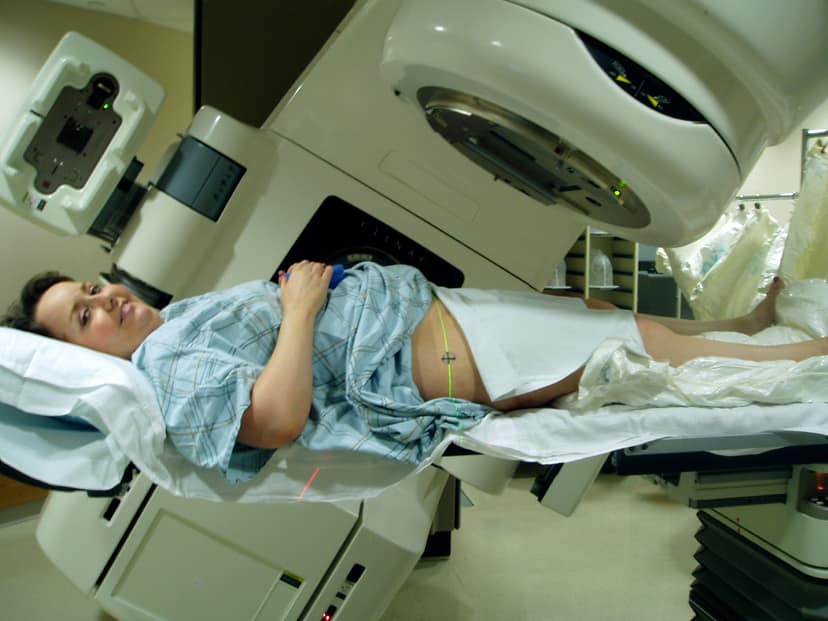

A study has shown that a protein derived from tardigrades, those microscopic organisms known for their extreme resilience, could significantly reduce radiation damage to human cells. This protein, capable of wrapping around DNA, acts as a protective barrier that mitigates the harmful effects of radiation.
Tardigrades, measuring about half a millimeter, have a radiation resistance a thousand times greater than that of humans. This exceptional ability is attributed to this single protein, which, when grafted into human cells, nearly halves the damage caused by radiation.
The results of this research offer interesting prospects for applications in medicine and regenerative medicine, particularly concerning the protection of human cells against medical treatments or hostile environments.