World
Calls for Resignation of CEC Gyanesh Kumar Intensify Amid Supreme Court Scrutiny
Allegations against CEC Gyanesh Kumar spark protests and legal actions as Supreme Court sets to hear pleas regarding his decisions on October 5.
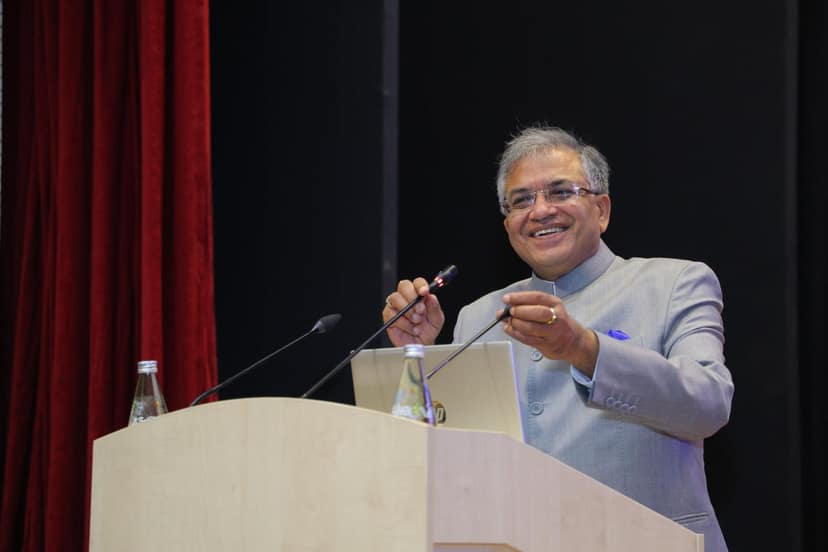

The demand for the resignation of Chief Election Commissioner (CEC) Gyanesh Kumar has intensified, with various political groups and legal actions emerging in response to allegations of unilateral decision-making by the Election Commission. The Telangana Pradesh Congress Seva Dal has organized a satyagraha, asserting that Kumar's recent actions undermine citizens' voting rights and threaten the democratic process, as stated by its president Middela Jitender.
The Supreme Court is scheduled to hear pleas on October 5 that call for Kumar's resignation, amidst concerns over his decision-making practices that allegedly bypassed the collective authority of the other two election commissioners. Chief Justice Surya Kant, along with Justices Joymalya Bagchi and V Mohana, will preside over the hearing, which has attracted considerable attention due to its implications for the Election Commission's operation.
On Monday, the Supreme Court declined to impose any interim orders restricting Kumar from his duties despite serious allegations. One petitioner expressed that without intervention, the situation could escalate, emphasizing the urgency of the matter. The court’s refusal to issue a restraining order highlights the legal complexities surrounding the allegations.
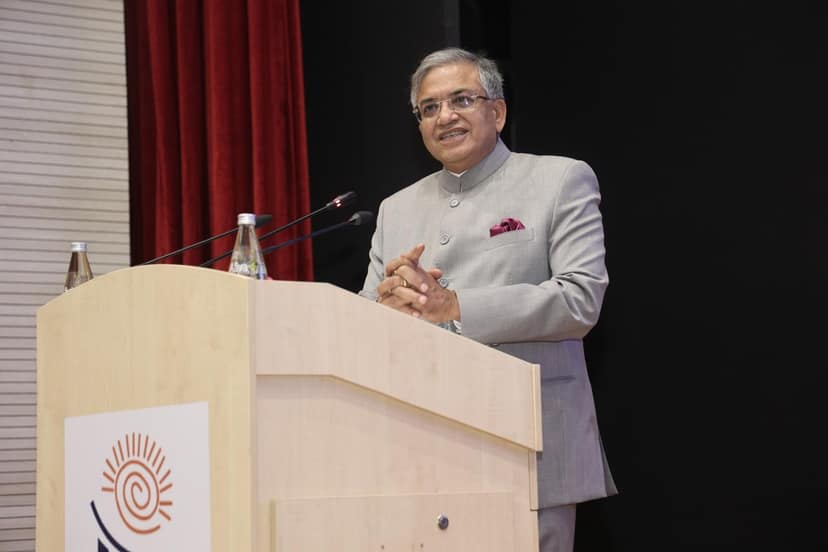

The court has also issued notices to the Election Commission and the Central Government, seeking responses to claims that Kumar made significant decisions independently, without the approval of his fellow commissioners. These developments have prompted discussions regarding the appropriate checks and balances within the electoral framework.
Justice Joymalya Bagchi noted the importance of understanding protections afforded to individuals in office, clarifying that immunity does not apply even to judges. This clarification came during a discussion surrounding changes to Form 6 and the legal basis for such alterations, amidst the broader context of the ongoing controversies surrounding the election body.
Amid these legal and political challenges, the Bharatiya Janata Party (BJP) has accused opposition leaders, including Rahul Gandhi, of misleading the public regarding the issues stemming from changes to Form 6. The BJP argues that the Supreme Court’s issuance of notices does not constitute a judgment against these changes, framing it as evidence of a functioning democratic process.