World
Free electoral propaganda begins this Friday in São Paulo
Today marks the start of free electoral propaganda on TV and radio in São Paulo, focusing on candidates for governor and the Senate.
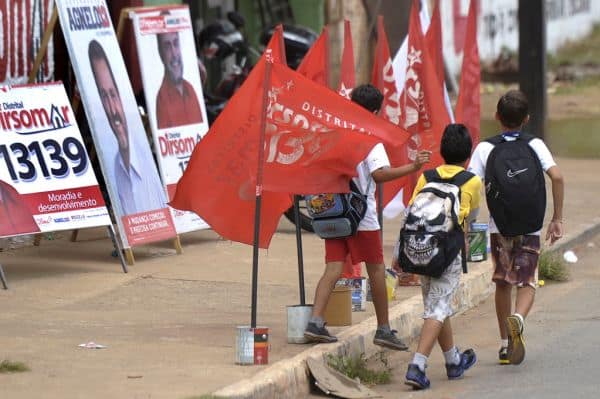
Free electoral propaganda on radio and television begins today, August 28, in São Paulo, marking the official start of the campaign for the 2026 elections. Over a period of 35 days, the campaigns will run until October 1, three days before the first round of the general elections.
In this first phase, advertising slots will be occupied by candidates for the Senate, governors, and state deputies, with presidential candidates and federal deputies starting their campaigns from Saturday, August 29. President Luiz Inácio Lula da Silva, running for re-election, will receive one of the longest exposure times, with 5 minutes and 31 seconds, secured by his coalition.
In the São Paulo context, current Governor Tarcísio de Freitas of the Republican Party has used radio to highlight his administration, while Fernando Haddad from the PT has relied on Lula's figure and sertaneja music to attract public attention.
Candidates' strategies are under strict monitoring by the Regional Electoral Court, which oversees the distribution of time and the legality of the messages broadcasted. Today, propaganda will be aired during predefined slots, divided according to current electoral legislation.
Electoral propaganda on TV and radio plays an important role during the pre-election period, allowing candidates to connect directly with voters and present their proposals. Voter attention is focused on the agenda being promoted by the broadcasters, with expectations about how the messages will be received.
Both candidates and allies are still defining their approaches and strategies for the upcoming days as the electoral competition intensifies, creating an environment where communication is crucial.